Emma Louise and Husky Gawenda Interpret “The Sound of Silence” Together
Emma Louise and Husky Gawenda approach “The Sound of Silence” through the interplay of two voices. The familiar melody unfolds with contrasting tones and shared phrasing.
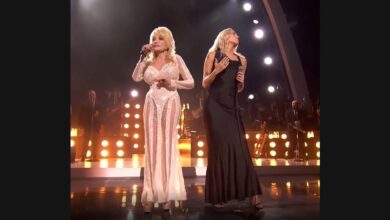
RocKwiz’s release identifies both singers on the song. The television recording preserves the performance as a live collaboration, with the camera showing their onstage partnership.
Louise’s delivery gives the melody a composed center. Her phrasing lets notes settle into the accompaniment, keeping the tune clear while shaping it in her own way.
Gawenda adds another color to the line. His voice makes the sound fuller without simply duplicating Louise, letting listeners hear two individual parts within the duet.
Guitar provides a steady foundation underneath them. Its recurring pattern frames the vocal lines without crowding them, leaving the singers’ phrasing at the center of attention.
Watch the performance
Harmony matters when the voices move together. The added line changes the texture and affects the feeling of each phrase, so the blend depends on its placement.
The relatively spare arrangement keeps details audible. Small shifts in tone, emphasis and timing can be heard clearly, allowing the performance to develop through subtle changes.
The familiar song links the performers’ different roles. A lead phrase establishes one perspective, and a shared passage adds another, keeping the interpretation moving.
The video makes the collaboration visible as well as audible. Viewers can see attention shift between the singers while one voice takes the lead and the other supports.
A measured pace lets each phrase register. Sustained notes and short pauses contribute to the expression without requiring pronounced flourishes or a dramatic change in volume.
A convincing blend does not require identical voices. Louise and Gawenda retain different timbres, while clear phrasing and a shared pulse keep the combination coherent.
The guitar continues between vocal lines, preserving momentum when the singers pause. That gives the accompaniment an active role in connecting sections of the song.
On another listen, follow the lower part during a shared phrase. Its timing and shape add depth, helping explain why the combined sound feels connected.
Also notice the space before a vocal entrance. The accompaniment supplies a reference point, making each arrival feel deliberate and showing how quieter moments shape the arrangement. These details make the recording rewarding to revisit.
The recording offers a familiar composition with a different identity through partnership. The melody remains recognizable, while the vocal colors and arrangement change its presentation. The camera’s shifting attention complements that balance, showing when the arrangement centers on one singer and when both voices share the musical line.
Louise and Gawenda’s performance rests on restraint and shared phrasing. Guitar maintains continuity, the song provides recognition and the voices create the duet’s character. The studio mix keeps the instrumental part clear beneath the singers. That balance lets the audience notice how the accompaniment continues the song when the vocal line changes or pauses.
More videos to explore
RocKwiz’s official audio release offers a focused way to hear the duet. Without the television images, listeners can concentrate on the balance between the two voices.
Disturbed’s official “The Sound of Silence” video presents a larger arrangement. Its scale and production offer a contrast with this concentrated two-voice version.
Further reading: RocKwiz performance background and source video. Source video: https://www.youtube.com/watch?v=837YWRsyQfw