Adam Lambert and Leona Lewis Find a Shared Shape for Girl Crush
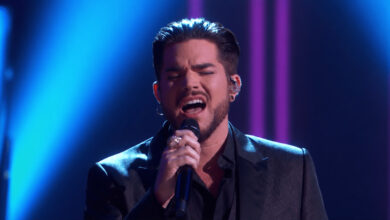
Adam Lambert and Leona Lewis give Girl Crush two clearly individual vocal presences. Their duet draws interest from the difference between those sounds and from the way they meet within one arrangement. The song gives each performer space to carry a line before the shared passages bring the focus toward a combined interpretation, with contrast remaining part of the partnership.
Little Big Town’s ballad unfolds at a measured pace, allowing its perspective to develop through the lyric. Passing that material between two singers introduces another layer to follow. Each voice can add a particular emphasis, while the arrangement needs to preserve a sense of direction as the melody moves from one performer to the other.
Lambert’s control of a sustained phrase is one part of that exchange. A held note can become a focal point, but it remains connected to the words and pacing around it. His stronger passages contribute to the development of the song when they are heard within the complete line, giving technique an expressive purpose inside the arrangement.
Lewis offers a complementary mix of softness and strength. Her tone gives the ballad another color, establishing an individual presence that does not need to match Lambert’s to belong beside it. The movement between lighter delivery and more substantial phrases also creates contrast within her own part, helping the duet develop on more than one level.
When the voices come together, the arrangement gains a shared texture without losing the qualities that distinguish the singers. That balance gives the harmonies their interest. The listener can hear individual sounds contributing to the same phrase, making the combined passages an extension of the solo sections rather than a completely separate kind of performance.
Watch the performance
The song’s pace supports a patient approach. Phrasing can carry an increase in intensity gradually, allowing stronger moments to emerge from what precedes them. That progression gives the quieter lines a clear role, establishing the emotional scale of the performance and creating room for later emphasis to mean something within the whole ballad.
Transitions between solo singing and harmony make the structure especially easy to hear. A line carried by one voice places attention on its individual shape; a shared passage changes the texture and enlarges that focus. The placement of those changes gives the duet movement, with each kind of passage contributing something the other cannot supply alone.
A strong partnership also requires space. Each singer needs opportunities to establish a phrase and moments when supporting the combined sound becomes the priority. The arrangement makes those shifting responsibilities part of the performance, so the relationship between the voices matters alongside the ability of either performer to carry a solo passage.
The contrast can keep the ballad active even when the pace remains restrained. A phrase from one singer receives a different vocal color in the next, giving listeners a change to follow without requiring a busy accompaniment. Tone and emphasis become sources of movement within the song, sustaining attention through the interaction at its center.
The measured melody also makes small choices particularly noticeable. A pause, the weight placed on a word, or the way a note is released can affect the feeling of a line. In a duet, those decisions are heard in relation to another singer’s phrasing, adding detail to the way the two parts fit together.
Lambert’s theatrical qualities and Lewis’s experience with pop ballads provide different resources for the pairing. Their common ground is the control needed to shape a song together, with each bringing a recognizable sound to that task. The performance finds unity through timing, phrasing, and shared direction while retaining the contrast between the vocal characters.
Girl Crush also demonstrates the flexibility of a song associated with a different musical setting. The composition remains identifiable as Lambert and Lewis give it another vocal frame. Hearing the familiar melody through these voices directs attention toward interpretation, showing how a ballad can retain its structure while the atmosphere around its lines changes.
Restraint gives the larger passages a place within that atmosphere. When the singers leave room for quieter delivery, a later increase in weight becomes easier to hear. The arrangement can then build through contrast, allowing vocal strength to contribute at selected points rather than asking each phrase to carry the same intensity.
The harmonized sections are worth revisiting after following each solo voice. With the individual tones fresh in the ear, the listener can hear more clearly what happens when they meet. Their shared sound becomes a relationship between identifiable parts, revealing how different qualities can remain present within a coherent combined phrase.
The exposed vocal frame keeps attention on that relationship. Two singers can find different emphases in the same ballad while maintaining a common direction, and the quieter transitions help establish that agreement. Those moments prepare the stronger shared passages, making the duet’s musical shape depend on connection as well as on individual expression.
The pleasure of the performance comes from following two distinct artists through one song. Solo lines establish their identities, while the harmonies show how those identities can work together. Listening across the full recording keeps both elements in view, giving the interpretation a continuity built from careful phrasing, room for contrast, and an agreed musical direction.
More performances to enjoy
Lambert’s Who Wants to Live Forever at the 2025 Polar Music Prize provides a companion in another dramatic ballad setting. It allows listeners to focus on his phrasing and sustained intensity separately, then return to Girl Crush with a clearer sense of the individual qualities he brings to the partnership.
Lewis’s live Run at the O2 offers a solo perspective on her voice. Heard alongside the duet, it gives another opportunity to notice her changes of tone and emphasis, helping distinguish the individual musical character that becomes one part of the shared Girl Crush arrangement.