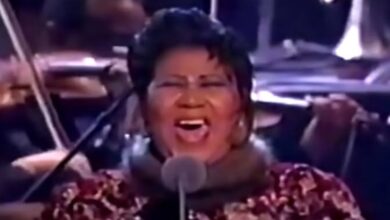
Bruno Mars Brings the Police’s Rhythmic Drive to Sting’s Kennedy Center Tribute
Bruno Mars approaches Sting’s 2014 Kennedy Center Honors tribute through two songs from the Police: So Lonely and Message in a Bottle. The formal occasion establishes a purpose of recognition, while the performance gives that acknowledgment a strong concert character. Mars brings his own vocal presence to material whose rhythmic identity remains clear, allowing the tribute to communicate through musical action as well as through the reason for gathering. The contrast between the ceremonial room and the energy of the arrangement becomes one of the useful things to follow across the complete sequence.
The Police’s music depends on a close relationship between rhythmic precision and space. A familiar tune may be easy to recognize, but keeping its character involves more than reproducing its notes. The guitar, pulse, and vocal phrasing have to leave one another room while maintaining forward pressure. Mars’s performance is interesting through that balance, with his delivery working inside the groove rather than simply sitting above an accompaniment. Listening to the whole arrangement makes it possible to hear how the tribute preserves the material’s movement while giving another singer a place within it.
So Lonely establishes the first part of that movement. Its urgency gives the opening a concentrated focus, allowing the voice and rhythm to create tension before the later change of song. Mars’s phrasing carries a sharp edge while staying connected to the recognizable melodic line. The choice gives the audience a way to hear his approach independently before the medley expands, making the opening more than a brief reference to a known title. Its place in the sequence matters because the second song will be heard against the atmosphere this first section has already created.
The move into Message in a Bottle changes the scale of the exchange. Its recurring figure and familiar refrain offer another kind of momentum, giving the ensemble and audience a shared musical point to follow. The performance can open outward while keeping a connection to the rhythm established earlier. Sting’s visible response is part of the recording, with the camera showing him engaged as the material moves through the room. Those images add a human counterpart to the musical tribute without needing to stand in for an account of everything he privately feels. The transition also gives the earlier song a continuing role in the listener’s memory. The more open refrain is heard after a period of tighter concentration, making its release part of a relationship across the medley. Listening from the opening preserves that contrast, which would be less apparent if the second selection were encountered only as a separate excerpt.
Mars’s familiar stage personality remains present within that development. Changes between a cleaner tone and a more forceful edge help shape individual phrases, while timing keeps the performance connected to the songs around him. His role is most revealing when heard in relation to the band, because the lead does not carry the entire effect alone. The arrangement needs its pulse, entrances, and repeated shapes to remain coherent as the vocal emphasis changes. That common direction allows the tribute to have character without making the original compositions difficult to recognize beneath the new delivery.
Watch the performance
The expanded finale adds voices and people to Message in a Bottle, turning the ending toward a more collective sound. That arrival changes the texture after the earlier concentration, giving the medley a broader closing frame. The familiar refrain is useful in that setting because it can gather the arrangement around a clear musical idea. Following the whole sequence makes the expansion easier to appreciate: the final scale has a relationship with the smaller beginning, and the tribute’s movement becomes audible through the contrast rather than only through the number of performers visible at the end. Additional voices alter more than the volume. They change who seems to carry the refrain, taking a line first heard through a featured singer into a group sound. The visual gathering reinforces what the ear hears, making the arrangement’s final change apparent through both texture and staging. That relationship gives the ending a musical purpose within the tribute rather than leaving the enlargement as an unrelated spectacle.
The groove also gives the performance a physical quality that survives the change of venue and the limits of a video recording. Accents and the placement of phrases create a pulse the listener can follow, making the difference between a restrained passage and a more open one apparent. Mars’s timing is part of that process, working with the ensemble to keep the material active. Even when a viewer encounters the performance through a later clip, the relationship between voice and rhythm remains a useful starting point for understanding how the arrangement develops its energy.
Returning to the Police’s So Lonely offers a reference for that approach. The writing combines direct emotion with a lean musical framework, making the balance between emphasis and restraint especially noticeable. Too much weight in every line would change that relationship, while insufficient movement could weaken its direction. Hearing the source material alongside the tribute keeps the common musical resources clear. Mars’s version can then be considered through its own phrasing and ensemble choices, with recognition helping listeners notice what changes and what remains central to the song’s character.
Message in a Bottle supplies a different pattern of anticipation. Its recurring musical figure keeps the listener oriented while the refrain offers a point at which the performance can broaden. The song can therefore support both a focused band sound and a larger shared ending, giving the tribute an effective second stage. The musical mechanism matters beyond the familiarity of the title: repetition keeps attention moving through the arrangement, and the return of known material gives the audience a clear place to reconnect as the scale around it changes.
Earlier live performances by the Police also provide a useful contrast in setting. Their leaner concert sound places the same material within the band’s own interaction, making the original relationship between the parts easier to hear. Comparing that approach with the Kennedy Center rendition does not require one to replace the other. The familiar writing remains a reference through which different performers and circumstances become apparent, allowing the tribute to be heard as another use of living concert material rather than a fixed recreation of one historical recording.
Sting’s later solo performances offer another perspective on songs from the Police period. Different arrangements can bring a more reflective emphasis to familiar writing, showing that a composition can retain identity while its atmosphere changes. Mars’s tribute focuses on the forward drive and youthful urgency available in the material, making that choice clearer when heard beside other readings. The comparison keeps interpretation near the center, with the same song supporting more than one pace, vocal character, and relationship between singer and ensemble across its performance history.
Across those settings, a shared pulse and a recognizable refrain remain useful musical resources. They give listeners a common route into the performance even when the people, room, and occasion have changed. Mars draws on that connection within a formal tribute, allowing the songs to continue working as concert music. The Kennedy Center setting contributes its own significance, but the arrangement still has to communicate through timing and continuity. Hearing the sequence beside the Police’s recordings makes that practical relationship clearer, connecting the tribute’s effect with choices available inside the music itself.
The performance balances acknowledgment with an identifiable live approach. It keeps the songs recognizable while bringing an energetic delivery into a ceremonial setting, allowing respect to be expressed through engaged performance. The band has to stay coordinated for that approach to work, with confident timing supporting the vocal changes and the final expansion. Watching the complete sequence gives those choices proportion, showing how a tribute can develop its own character while remaining closely connected to the material that gives the occasion its reason for being.
It also brings entertainment and detailed musicianship into the same view. A clear stage presence can draw attention immediately, but the continuing effect depends on how the performer and ensemble handle the rhythm. The songs do not require a division between thoughtful writing and physical engagement; both can be heard through the same arrangement. Mars’s contribution is useful to follow in those terms, with the visible energy supported by timing, phrasing, and the band relationship that lets familiar material keep moving within the formal room.
That room makes the contrast especially apparent. The tribute needs to serve an occasion honoring Sting while also communicating what gives the songs their active musical character. Rhythm connects those responsibilities, allowing the performance to acknowledge the work by putting its resources to use. The audience sees the ceremonial frame and hears a band moving through the repertoire, with neither part having to displace the other. The result is a particular encounter between artist, honoree, material, and setting, preserved through the sequence rather than reducible to one reaction or refrain. The choice of these two pieces also keeps the focus on Sting’s Police repertoire within a night honoring a broader career. The medley cannot represent every part of that history, but it can give this selection a clear identity. Its concentrated scope leaves room to hear the songs’ individual rhythmic qualities and the connection that makes them work as one sequence.
The recording remains rewarding when the audience shots are kept alongside the complete musical development. Sting’s engagement gives the offering a visible recipient, while the performance supplies the phrases and transitions that make the exchange possible. The opening establishes pressure, the change of song redirects it, and the finale broadens the sound. Following those stages explains more than a short highlight can show, keeping the tribute grounded in a singer and ensemble carrying familiar songs toward an ending suited to this particular occasion.
More performances to enjoy
The Police’s official live So Lonely audio from River Plate Stadium returns the first selection to the band associated with it. The concert frame supplies a direct comparison for the groove, vocal urgency, and lean arrangement, allowing listeners to follow the shared composition through another set of live circumstances.
Their official live Message in a Bottle provides a companion to the tribute’s second section. Its recognizable figure and refrain make the comparison accessible, giving listeners another way to hear how the song’s movement supports a concert performance alongside Mars’s expanded Kennedy Center interpretation.