We’Ll Never Have To Say Goodbye Again And England Dan & John Ford Coley’s Soft-Rock Promise
There’s a special kind of soft-rock magic that only happens when a song sounds like it’s smiling and sighing at the same time, and “We’ll Never Have To Say Goodbye Again” lives right in that sweet spot. It’s the kind of record that doesn’t kick the door down—it glides in, turns the lights low, and somehow convinces you that a simple promise can feel like a life-changing idea. In the late 1970s, radio was full of big personalities and bigger production, but this track stood out by doing something quietly radical: it made tenderness feel strong. The melody is built to linger, the chorus is built to comfort, and the harmony is built to make two voices sound like one thought shared between them.
The story starts before England Dan & John Ford Coley ever touched it, which is part of what makes its journey so fascinating. The song was written by Jeffrey Comanor, a songwriter with a knack for conversational emotion—words that don’t feel like poetry homework, but like something someone might actually say at 2 a.m. when the night is slipping away. That origin matters because the lyric doesn’t chase drama; it chases a feeling. It’s not a breakup anthem or a victory lap. It’s a wish spoken out loud, almost superstitiously, like saying it might make it true: if we promise hard enough, maybe the ending won’t arrive. That’s an emotional hook that survives any era.
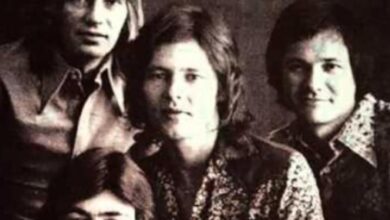
By the time England Dan & John Ford Coley entered the picture, the duo already knew how to make radio-friendly intimacy. Their sound was built on blend—two voices meeting in the middle, smoothing sharp edges, making even heartache feel warm. When they took on “We’ll Never Have To Say Goodbye Again,” they didn’t “cover” it like a band knocking out a favorite tune; they shaped it into their signature: gentle, precise, and quietly irresistible. The arrangement leans into piano and soft rhythm rather than showing off, because the point isn’t flash. The point is that moment when the chorus hits and you feel like you’re being spoken to, not performed at. It’s a song designed to land in the listener’s lap and stay there.
What really sells it is the way the record understands pacing. It doesn’t rush the emotion, and it doesn’t over-explain it. The verses move like a memory you’re replaying on purpose, trying to hold on to details. Then the chorus arrives with that deceptively simple line that feels like it should be too bold to say—except the harmony makes it believable. That harmony is the secret weapon: it’s not just pretty, it’s narrative. Two voices singing the same promise makes the promise sound safer, more real, like both people agreed. And in a decade where soft rock often flirted with sentimentality, this one stays on the right side of sincere.
Then there’s the chart story, which tells you how perfectly it fit its moment without being trapped by it. The song became a major adult-contemporary staple and crossed into broader pop success, which is a tricky double life. Adult contemporary audiences want polish and emotional clarity; pop audiences want hooks and momentum. This track managed both by keeping the hook clean and the emotion universal. It didn’t need trendy guitar tones or a dramatic key change to feel huge. Its hugeness comes from restraint—an almost cinematic decision to let the melody do the heavy lifting and let the voices carry the weight. That’s why it still plays like a classic rather than a time capsule.
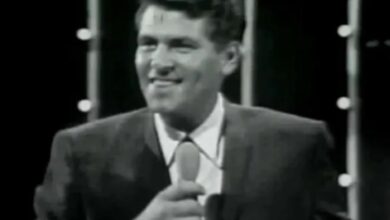
Now, about the version that makes people stop scrolling today: when you hear it performed live—especially years later—you realize the song has a second life as a kind of time machine. The studio cut is all smooth surfaces and perfect balance. A live performance adds weather: the little cracks of age, the changed phrasing, the slightly different breath control, the way an audience reacts to a line like they’ve lived it. That’s what makes this moment feel different. It’s not just nostalgia; it’s proof. A song that once sounded like young hope starts sounding like a promise kept, or at least a promise still worth making, even after life taught you how endings work.
Part of the thrill is hearing how the singer approaches it when the stakes aren’t charts anymore. In later performances, there’s often a gentler confidence—less about landing every note like a radio take, more about delivering the message like a letter you’ve carried around for years. The phrasing becomes more conversational, the pauses feel more intentional, and the emotion hits harder because it’s less “performed.” Even the familiar chorus can feel newly heavy when it’s sung by someone who’s watched decades pass, watched audiences change, watched the music industry reinvent itself, and still chooses to return to this one promise. That kind of return is its own headline.
And that’s the real reason this song keeps resurfacing: it’s built around a human fantasy that never goes out of style. Everyone wants one night to last longer. Everyone wants one goodbye to be postponed. Everyone wants to believe that if two people mean it enough, time will negotiate. Soft rock, at its best, isn’t “easy listening” because it’s shallow—it’s easy because it speaks in plain language to complicated feelings. “We’ll Never Have To Say Goodbye Again” is a masterclass in that. It doesn’t demand tears. It simply makes room for them, and somehow the room keeps filling up, decade after decade.
What makes this live take so compelling is how it turns a pristine studio memory into something lived-in and present tense. The melody is the same, but the emotional temperature shifts: it feels less like a youthful wish and more like a seasoned vow, delivered with the calm of someone who understands what the words are really asking for. You can hear the audience energy in the atmosphere, and that matters because this song is built to be shared—two voices in harmony, and then a room full of people silently agreeing with the idea. In moments like this, the chorus stops being just a hook and becomes a collective sigh, a kind of soft-rock group therapy session where everyone remembers their own version of “that night.”
Going back to the original studio recording after hearing it live is like stepping into a carefully preserved photograph. Everything is balanced: the blend is clean, the rhythm is gentle but steady, and the vocal harmonies lock together with the kind of precision that radio loved in that era. This is the version that taught the world the song’s shape—how the verses glide, how the chorus opens like a window, how the whole track seems to float without losing direction. It’s also the version where the optimism feels most immediate. The promise sounds freshly spoken, almost daringly confident, like the future is still a negotiable thing. That contrast is why the live performance hits harder: you can feel the years in between.
If you want to understand why England Dan & John Ford Coley mattered beyond one signature hit, you watch how their style holds up in performance—especially in the way they treat melody as storytelling. Their best songs aren’t built around vocal gymnastics; they’re built around clarity, blend, and emotional timing. That’s exactly the same DNA that makes “We’ll Never Have To Say Goodbye Again” so effective. A similar-performance clip like this highlights the duo’s superpower: harmonies that feel less like decoration and more like dialogue, voices that don’t compete but interlock, and arrangements that let the listener’s own memories do half the work. It’s soft rock with backbone, and it explains why audiences stayed loyal.
There’s also something revealing about pairing this song’s live energy with other moments from the same musical neighborhood. The late-70s soft-rock world was a place where heartbreak didn’t need to scream to be intense; it could simply arrive in a well-placed line, a warm chord, a harmony that sounds like two people trying to agree on what the truth is. When you hear another performance in that lane, it becomes easier to spot what makes “We’ll Never Have To Say Goodbye Again” special: its optimism is unusually stubborn. Even when it admits the night will end, it keeps pushing back with that promise. That pushback—gentle but determined—is why the song feels like comfort instead of defeat.
To really feel the era’s emotional palette, it helps to compare with other soft-rock giants who also mastered the art of big feeling delivered softly. This kind of performance shows how the genre could make stadium-sized emotion without stadium-sized volume. The vocals lead with sincerity, the arrangement supports rather than overwhelms, and the chorus lands like a wave you can’t quite brace for. Set beside “We’ll Never Have To Say Goodbye Again,” you notice a key difference: England Dan & John Ford Coley’s song wraps its emotion in reassurance. It doesn’t just confess pain; it tries to protect you from it. That protective instinct is what gives their record its particular glow.
By the time you’ve heard a few neighboring songs and performances, the real headline becomes obvious: “We’ll Never Have To Say Goodbye Again” isn’t famous just because it’s pretty—it’s famous because it’s useful. People return to it when they want language for a feeling they can’t quite pin down: that mix of gratitude and dread when something good is about to end. The song offers a fantasy that’s gentle enough to believe for three minutes, and that’s a powerful service. In live versions especially, it becomes less about chasing the past and more about acknowledging the audience’s shared history with the track. The promise changes meaning as you age—and the song is strong enough to carry every version of that meaning.