“Over You”: The Heartbreak Hit That Refused to Fade — How Gary Puckett & The Union Gap Turned Lingering Pain into Pop History
If you want a single record that explains why late-60s pop heartbreak could hit like a movie scene, “Over You” by Gary Puckett & The Union Gap is a perfect case. It arrived at a moment when radio was packed with big emotions, but this song didn’t win because it was flashy. It won because it sounded like the private thought people try to hide: you can look fine, act fine, even start living again… and still be completely wrecked by one name. That’s the hook. “Over You” isn’t about the breakup itself. It’s about the aftershock, the late-night replay in your head, the way time passes but the feeling refuses to cooperate. That’s why it still lands today: it describes a very modern kind of pain with old-school clarity.
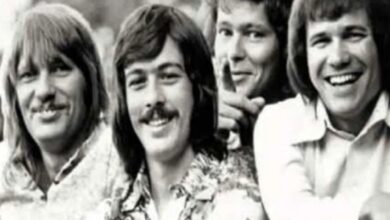
To understand why it mattered, you have to remember what The Union Gap were in that era: a band built for emotional precision. Their records didn’t lean on fuzz guitars or psychedelic tricks. They leaned on structure, melody, and a lead vocal that could sell vulnerability without sounding weak. Gary Puckett had a voice that felt both powerful and wounded, like someone trying to keep dignity while admitting he’s not okay. That combination made the band feel accessible to pop listeners and intense enough for people who wanted drama in their music. “Over You” fits right into that identity, but it also shows their maturity: it’s less “teen heartbreak” and more “adult heartbreak,” the kind that lingers even when you wish it wouldn’t.
The story of the song also matters because it’s tied closely to one person’s creative vision. Producer-songwriter Jerry Fuller wasn’t just helping them in the studio; he was shaping a signature. By the time “Over You” came around, the group had already built momentum with earlier hits, and Fuller understood exactly how to frame Puckett’s voice so the emotion felt unavoidable. The arrangement is carefully designed to let the tension rise without rushing. It’s the musical equivalent of someone holding it together… right until they can’t. The song belongs to that special class of pop records where every element seems to support the same single idea: you’re not over it, and pretending is exhausting.
Play that version straight through and notice how quickly it pulls you into the narrator’s headspace. The lyric perspective is relentless: it’s not “I miss you sometimes.” It’s “this is still messing with my sleep, my focus, my peace.” That’s why people who’ve never heard of The Union Gap can still connect instantly. It doesn’t rely on references or trends; it relies on a feeling. The vocal performance is the real engine. Puckett doesn’t oversing just to show off. He uses strength like a spotlight, turning it brighter as the confession becomes harder to contain. That gradual climb is what makes the chorus hit like a wave instead of a punch.
Release timing is a huge part of how “Over You” unfolded as a hit. Coming out in 1968, it hit the airwaves during a period when radio listeners were bouncing between wildly different moods—bright pop, soul, rock experimentation, and songs that felt like personal diaries. “Over You” succeeded because it didn’t try to compete on novelty. It competed on emotional inevitability. The melody is memorable, but more importantly, it feels like it’s going somewhere. That forward motion is classic hitmaking: it makes you lean in, waiting for the moment the song finally says the part you’ve been trying not to say out loud.
The chart story is one of those details that underlines how much the public connected. “Over You” became a major radio success in the U.S., crossing into both pop and adult-oriented listening spaces, which is exactly where a song like this thrives. It’s dramatic enough to feel like a “moment,” but clean enough to sit comfortably alongside softer records on mainstream stations. That crossover quality is a big reason the song became part of the era’s emotional soundtrack. It wasn’t trapped in one niche. It was the kind of single you could hear in a car with your friends or in a living room with your parents, and it would still hit people in the same place.
It also matters that “Over You” lives on the album Incredible, a record that shows The Union Gap leaning into original material rather than padding a tracklist with covers. That’s important because it positions “Over You” not as a lucky one-off, but as part of a consistent songwriting and production run. The band and Fuller were building a world: dramatic pop built on storytelling, vocal power, and arrangements that knew when to hold back. In other words, “Over You” wasn’t an accident. It was the next step in a system that was working, and listeners could feel that confidence.
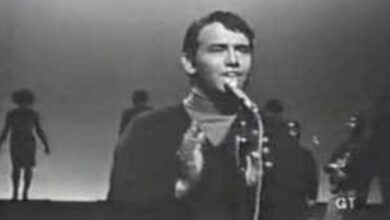
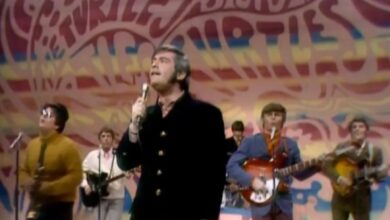
If you want to see how the song carried into live television culture, vintage performances are where it gets interesting. The late-60s and early-70s variety-show circuit had a specific vibe: polished, slightly surreal, and intensely focused on vocal delivery. “Over You” fits that world because it’s essentially a performance piece. Even when the band is miming to the record, the emotional “acting” is still visible. The body language and facial tension tell you what kind of song this is: not a party track, not a dance track, but a public confession presented with show-business professionalism.
So what makes “Over You” different from other heartbreak hits of its time? It sits right on the line between pride and collapse. Some breakup songs make the singer sound totally defeated. Others make the singer sound too cool to care. “Over You” refuses both extremes. The narrator is clearly suffering, but he’s also trying to maintain control, and that friction becomes the emotional punch. You can hear someone attempting to move on through sheer willpower, then realizing feelings don’t work that way. That’s a surprisingly adult message for a radio hit, and it’s one reason the song hasn’t aged into melodrama. It’s not theatrical for fun. It’s theatrical because heartbreak is.
Another reason it’s important is the role it played in cementing The Union Gap’s “brand” of emotional pop. They weren’t selling rebellion; they were selling intensity in a suit and tie. That may sound old-fashioned now, but it was powerful then, and it remains effective because it highlights the voice and the story. In a world where production styles keep changing, that kind of clarity survives. People might discover “Over You” today through a playlist, a movie, a random recommendation, or an algorithm, but the reaction is often the same: “Why does this still feel so real?” The answer is that the record doesn’t rely on trends. It relies on human behavior: people don’t get over things on schedule.
Now, if you want the article to flow into similar videos, the best way is to first show The Union Gap’s emotional range. “Over You” is the lingering-aftershock song, but they also had hits that were more urgent, more confrontational, or more suspicious in tone. Hearing those right after “Over You” helps you understand why the band was so widely heard. They weren’t repeating one feeling; they were exploring different rooms inside the same emotional house, always framed around Puckett’s ability to sound both strong and exposed at the same time.
“Young Girl” is a good comparison point because it shows the group’s dramatic instincts from another angle. It’s not the same emotional theme as “Over You,” but it’s the same approach: story-first writing, a vocal that makes the listener picture the scene, and an arrangement that builds tension like a short film. Placed after “Over You,” it also highlights a key difference: “Over You” is inward. It’s about what’s happening inside one person’s head. “Young Girl” is outward. It’s about a situation and a choice. That contrast helps explain why “Over You” feels so quietly devastating—because the conflict is entirely internal, which is often the hardest kind to escape.
“Woman, Woman” is another useful companion because it lives in anxiety rather than grief. Where “Over You” is the aftermath of loss, “Woman, Woman” is the fear that something is changing right in front of you and you don’t have proof, only instinct. Put them back-to-back and you can hear how The Union Gap specialized in emotional pressure. They didn’t need wild instrumentation to create tension; they used pacing, phrasing, and that slow rise toward a chorus that feels like the moment someone finally says what they’ve been holding in. It’s also a reminder that the band’s power wasn’t just the voice—it was the discipline around it.
“Lady Willpower” shows the more forceful side of their hit-making, which is exactly why it’s helpful here. Compared to “Over You,” it has more pursuit energy—more insistence, more momentum. That difference makes “Over You” feel even more unique in their catalog, because “Over You” isn’t trying to win anyone back. It’s not pleading. It’s stuck in the emotional residue. In a weird way, that’s why it hurts more. Songs about chasing love can still carry hope. “Over You” is about the realization that hope doesn’t automatically fix the nervous system. It’s a song about time passing, not healing.
Now for similar music videos from the same emotional universe (different artists), so you can feel where “Over You” sits in the broader heartbreak tradition. The late 60s produced a lot of “tender devastation” records, but not all of them hit the same way. Some are story-songs, some are full surrender, some are pure operatic collapse. “Over You” is a specific lane: wounded dignity. So the best comparisons are songs that either share that lane or contrast it so clearly that “Over You” stands out even more.
Bobby Goldsboro’s “Honey” is a classic example of heartbreak as narrative—less about spiraling thoughts and more about remembering a life and realizing it’s gone. It’s softer, more story-forward, and designed to make the listener visualize scenes. When you place it next to “Over You,” you can hear the difference immediately. “Honey” tells you what happened. “Over You” tells you what it feels like to keep functioning while your mind keeps slipping back. Both are emotional, but they use different weapons. That’s why “Over You” feels so psychologically modern: it’s basically an inner monologue set to melody.
Harry Nilsson’s “Without You” is the opposite extreme: heartbreak as a volcanic eruption. It’s bigger, more dramatic, and built around the idea that emotion should overwhelm the room. Listening after “Over You” helps you appreciate The Union Gap’s restraint. Nilsson hits you with a tidal wave; Puckett traps you in the looping, quiet torture of not being able to switch a feeling off. That contrast explains why “Over You” has such replay value. It doesn’t demand one huge cathartic moment and then end. It mirrors the way heartbreak actually behaves for many people: persistent, repetitive, and weirdly calm on the surface.
Why “Over You” remains important is that it’s not only a hit from 1968—it’s a template for a certain kind of emotional honesty in pop. It proves you can make a radio-friendly record that still feels like someone telling the truth. It also shows how production and arrangement can amplify emotion without drowning it. The song’s success helped lock in The Union Gap’s identity as specialists in dramatic, high-sincerity pop, and it helped keep this style of vocal-driven storytelling alive on mainstream radio. If you’ve ever had a breakup that lingered longer than it “should,” “Over You” doesn’t just describe the feeling. It validates it—and that’s why the song still earns its place.