Groovin’ Turned A Sunday Afternoon Into Pop History In 1967
In the spring of 1967, The Young Rascals did something that quietly rewired what a hit single could feel like. “Groovin’” didn’t kick the door down with horns, grit, or a big soul shout the way their earlier smashes had. It drifted in like open windows and warm air, almost daring radio to turn the volume up without adding any extra force. The genius is that it still lands like a No. 1 record even when it’s barely trying. The groove is gentle, the vocal is conversational, and the whole thing moves with the unhurried confidence of a band that knows the audience will lean in. That lean-in quality is why “Groovin’” still feels modern: it’s a hit built on ease, not pressure.
Part of what makes “Groovin’” last is how clearly it paints a scene without overexplaining it. The song’s world is simple—two people together on a Sunday, time slowed down, nothing urgent enough to ruin the mood. But the details feel tactile: the way the chords settle, the way the melody smiles, the way the rhythm keeps its balance without ever stiffening. It’s a love song that doesn’t posture. It doesn’t need fireworks, because the entire point is that the ordinary moment is the miracle. Plenty of 1967 classics are loud in their cultural footprint, but “Groovin’” is quietly massive, the kind of record that lives in the background of real life until you suddenly notice it’s been carrying the day.
There’s also a musical trick happening: The Young Rascals step away from the punchy blue-eyed soul that first made them famous and slide into something with a breezier, almost Latin-leaning sway. The beat feels like it’s rocking on a hammock. You can hear the band choosing softness as a form of authority, and that choice is harder than it sounds because soft can easily become sleepy. “Groovin’” never falls asleep. It stays alert, just relaxed—like the best afternoons, where you’re fully present but not counting minutes. When the harmonies arrive, they don’t arrive like an announcement; they bloom. Even the instrumental colors feel like they were chosen to avoid sharp edges.
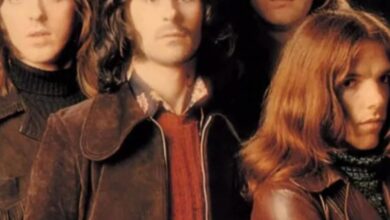
The personnel matters, too, because The Young Rascals weren’t a studio invention. Felix Cavaliere and Eddie Brigati wrote the song, and the band’s identity—organ-driven soul with real street-level confidence—was already established. So when they pivot into this smoother, sunlit mood, it feels like growth, not a gimmick. They’re still themselves; they’re just letting themselves be tender. That’s one reason the record reads as sincere instead of calculated. You can imagine them making it in a room and realizing the power is in what they’re not doing. No extra shouting. No forced climax. No “please notice us” production tricks. Just four musicians and a great song deciding that calm can be unforgettable.
What “Groovin’” also captures is a particular kind of 1967 optimism that wasn’t naïve so much as desperate for peace. Pop music that year could be psychedelic, political, or explosive, but there was also a hunger for comfort—songs that sounded like a safe place. “Groovin’” offers that safe place without escaping into fantasy. It’s not trying to be cosmic. It’s not pretending the world is perfect. It’s just saying: right now, in this pocket of time, we’re okay. That feeling hits people differently depending on the year they first hear it. In the late ’60s, it’s a balm. Decades later, it becomes nostalgia that doesn’t feel fake, because the emotion is still true even when the era changes.
Listen closely to the pacing and you’ll notice how smart it is. The track runs lean, like it’s refusing to overstay its welcome. That brevity is part of the spell. It ends before the mood can spoil, leaving you suspended in the same contented glow that the lyrics describe. It’s one of those records that people replay not because they missed a detail, but because they want to re-enter the atmosphere. And that atmosphere is built from small, deliberate choices: the gentle pulse, the warm vocal blend, the conversational phrasing that makes the singer sound like he’s sitting right there next to you. It’s romantic without being theatrical, intimate without being confessional.
Then there’s the cultural afterlife: “Groovin’” becomes a shorthand for ease, a reference point for Sunday calm, and a go-to needle-drop any time a movie, TV show, or playlist wants instant warmth. But what’s more impressive is that it never became corny, which is the risk for any song that gets associated with good vibes. The reason it dodges that fate is because the band doesn’t oversell the happiness. It’s not a commercial jingle version of joy; it’s a human version—quiet, imperfect, and therefore believable. Even if someone has never heard the band’s name, the song still communicates instantly. It feels like memory, even on a first listen.
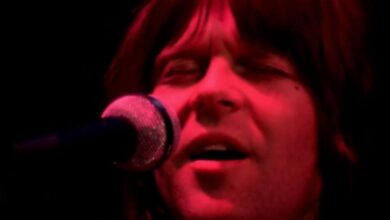
A great way to understand why “Groovin’” is special is to hear it in a later live context, when nostalgia could easily flatten it into a polite oldies moment. That’s where the best performances surprise people: the groove still works, the melody still relaxes the room, and the lyric still lands like a real thought rather than a museum piece. A strong live version doesn’t just recreate the record; it proves the song’s emotional engine still runs. When an audience sways instead of screams, that’s a different kind of power. “Groovin’” has always been built for that power—collective calm, the rare concert feeling where everyone seems to exhale at the same time.
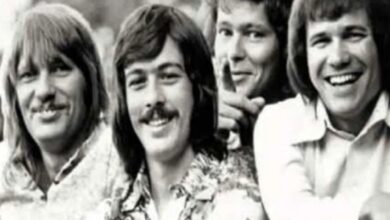
In that kind of fan-shot performance, what stands out isn’t perfection; it’s durability. You can hear the audience reacting to something they’ve carried for years, and the band meeting them with a vibe that refuses to hurry. The groove becomes less like a studio trick and more like a shared agreement between stage and seats: we’re going to live in this pocket of time together. That’s the difference between “Groovin’” and a lot of oldies staples. Many classic hits survive as hooks. This one survives as a mood. And a mood is harder to fake. When the rhythm section keeps it light and the vocal stays unforced, the song doesn’t feel like a throwback; it feels like a reminder that pop music can be gentle and still command a room.
Going back to the original recording after a later live take is like stepping from a reunion photo into the moment the picture was taken. The studio version has that unmistakable 1967 sheen, but it also has restraint that feels almost radical now. The track is arranged to leave space, letting the listener’s imagination fill in sunlight and shadows. The vocal sits in the mix like a friendly voice rather than a star turn. The instrumentation is colored with taste rather than flash, and the whole record moves with the confidence of musicians who understand that the groove is the headline. It’s also a reminder of how quickly The Young Rascals evolved: they were never trapped in one sound, and “Groovin’” is the proof that their songwriting could pivot toward tenderness without losing identity.
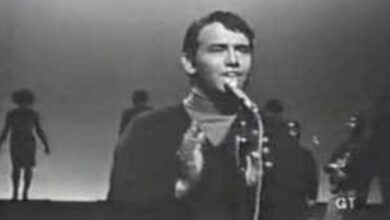
A television performance from the era adds another layer, because it shows how the band translated that soft studio magic into a live setting where everything could have turned stiff. Instead, the song’s calm becomes even more impressive, because it has to hold attention without studio intimacy. The band’s chemistry does the work. The performance style is focused, and the groove stays light enough to float but steady enough to lock in. This is where you really see why the song became a cultural anchor: it’s not dependent on studio tricks, and it doesn’t need spectacle to feel like an event. The audience can’t “mosh” to it; they can only settle into it. That’s the point. It creates a different kind of room temperature.
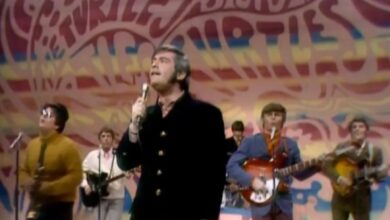
Hearing the song in another vintage broadcast context helps you appreciate how adaptable it is. Different cameras, different audio texture, a different era’s approach to live TV—yet the emotional message survives intact. The melody still carries that relaxed smile, and the rhythm still suggests Sunday more than Saturday night. Performances like this also highlight how rare it was for a hit group to be comfortable with understatement in front of an audience. Plenty of bands used live TV to prove they could go bigger than the record. The Young Rascals could go quieter and still win. That ability is why “Groovin’” feels like a bridge between soul-pop and the softer, atmosphere-first songwriting that would dominate later decades.
A later-era full-band live performance shows how the song changes as the musicians age, without losing the thing that made it hit in the first place. The tempo can breathe differently, the voice can carry more mileage, and the crowd’s relationship to the lyric becomes less about young romance and more about memory. That shift actually deepens the song’s meaning. It stops being only about two people on a Sunday and becomes about everyone who wishes time would slow down again. When a classic still lands after decades, it’s usually because the lyric has room for new life experiences. “Groovin’” has that room. It doesn’t trap you in 1967; it lets you bring your own years into the same gentle frame.
By the time a song is performed in a celebration setting—where the point is to honor history—it can sometimes feel like a ceremonial replay. But “Groovin’” tends to resist that stiffness because it isn’t written like a trophy. It’s written like a moment. So when it’s delivered on a stage that’s built for recognition, the song does something interesting: it makes the formal setting feel human again. The audience hears it and reacts as if someone just opened a window in the room. That’s a real measure of songwriting strength. Even when the context is awards, tributes, or “remember when” programming, the song refuses to become a prop. It keeps its original mission—quiet happiness—intact.
What all of these versions ultimately prove is that “Groovin’” isn’t famous because it belongs to a time capsule. It’s famous because it solves a permanent human problem: the need to feel calm without feeling numb, the desire to love someone without turning it into theater, the craving for a few minutes where life doesn’t demand anything. That’s why the record still shows up in playlists and still gets covered and still makes audiences sway. The best “different” versions don’t reinvent it with flashy tricks; they honor the restraint. They keep the groove light, the tone warm, and the message simple. And every time it works, it quietly reminds everyone listening that softness can be a flex.