Gary Puckett & The Union Gap – “Lady Willpower” And The Power Of Persuasion In Late-Sixties Pop
In the late 1960s, when pop radio was crowded with British Invasion echoes, polished soul records, and sun-drenched West Coast harmonies, Gary Puckett & The Union Gap stood out by embracing drama without irony. “Lady Willpower” emerged in that moment as a song that didn’t hide its emotional intent. It didn’t wink at the listener or soften its message with detachment. Instead, it leaned fully into persuasion, urgency, and romantic resolve, presenting a narrative where love is something fought for with words, conviction, and emotional stamina. From its opening lines, the song feels less like casual pop and more like a carefully staged monologue delivered straight to the heart.
What separates “Lady Willpower” from many love songs of its era is how deliberately it builds tension. The arrangement doesn’t rush toward the chorus; it walks there with purpose. Each verse feels like another step forward, another attempt to be understood, until the chorus finally opens up and the emotional argument reaches its peak. This pacing gives the song a cinematic quality, as though the listener is watching a scene unfold rather than simply hearing a melody. It’s romantic, yes, but it’s also strategic, built around the idea that timing and restraint can make emotion land harder than sheer volume.
Gary Puckett’s vocal performance is central to why this song still resonates decades later. His voice carries a rare combination of control and power, capable of sounding gentle without losing authority. He doesn’t oversell the emotion, but he never underplays it either. Each sustained note feels intentional, as if he knows exactly how long to hold on before letting go. That balance allows the song to feel urgent without becoming desperate, confident without tipping into arrogance. It’s a masterclass in how phrasing alone can elevate a lyric beyond the page.
At the time of its release, “Lady Willpower” wasn’t treated as a niche or experimental track. It was a mainstream pop event, dominating airwaves and quickly becoming one of the band’s most recognizable recordings. That widespread exposure matters because it shaped how listeners first connected with the song. It wasn’t discovered quietly or years later through nostalgia playlists; it arrived loudly, confidently, and right at the center of popular culture. Even today, that sense of familiarity lingers, making the song feel instantly recognizable even to listeners who might not remember exactly when they first heard it.
Lyrically, the song captures a moment that feels timeless: the fear of losing someone and the determination to stop that from happening. What makes the lyric effective is its tone. The speaker isn’t begging or apologizing; he’s asserting belief — belief in the relationship, belief in the other person’s strength, and belief that staying is the right choice. That framing gives the song a subtle psychological depth. It’s not just about romance; it’s about resolve, about the idea that love sometimes requires willpower as much as feeling.
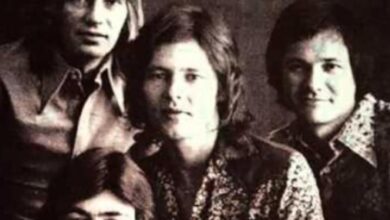
The band’s carefully constructed image could have easily overshadowed the music, but “Lady Willpower” proves that the substance was always there. Beneath the uniforms and presentation was a group deeply aware of how to shape emotion through melody and structure. This song, in particular, feels like a moment where image and music aligned perfectly, reinforcing each other instead of competing. The theatrical elements enhance the drama rather than distract from it, making the song feel larger without losing sincerity.
Part of the song’s lasting appeal lies in how well it adapts to different performance settings. Even in its studio form, it sounds like it wants to be performed live. The chorus is built to fill a room, and the verses feel designed to pull an audience closer before that release. That performance-ready quality is why the song has survived across decades of live shows, television appearances, and reinterpretations. It doesn’t shrink outside the studio — it expands.
The emotional clarity of “Lady Willpower” also makes it unusually flexible across generations. Younger listeners often hear it as a dramatic pop classic, while older audiences connect it to personal memories tied to the era. Yet the song doesn’t rely on nostalgia alone. Its core message — choosing to stay, choosing to fight for connection — remains relatable regardless of context. That universality is what keeps it circulating, not just as a relic, but as a living piece of pop history.
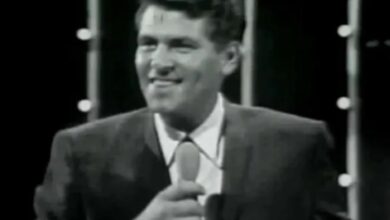
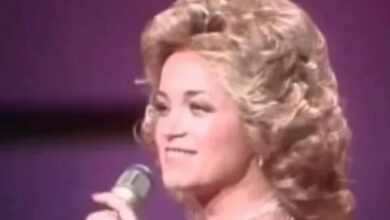
That early live performance captures the song at a moment when it was still new, still rising, and still proving itself to audiences. The staging is formal, the presentation polished, but the emotion is unmistakably present. You can hear how naturally the song translates to a live environment, how the vocal carries without strain, and how the chorus lands with a sense of inevitability. It’s a snapshot of a band fully confident in the material, delivering it without hesitation.
The studio version remains the definitive blueprint, revealing the precision behind the drama. Every element is balanced, from the instrumentation to the vocal placement, creating a recording that feels both expansive and focused. Listening to it now, it’s easy to understand why the song connected so strongly upon release. Nothing feels accidental. Each section serves the emotional arc, guiding the listener step by step toward that powerful chorus.
Later television appearances shift the song’s role from current hit to established classic. In these performances, the emphasis moves from persuasion to recognition. The audience already knows what’s coming, and that familiarity changes the emotional exchange. The song no longer has to prove itself; it simply has to arrive. That transition highlights the durability of the composition, showing how it functions just as well as a memory trigger as it once did as a chart climber.
When the song is reinterpreted by artists from different eras and styles, its emotional core becomes even more apparent. Stripped of its original context, “Lady Willpower” often reveals a more reflective, sometimes darker tone. These versions don’t weaken the song; they expose layers that were always there, just framed differently. The lyric’s emphasis on resolve can sound hopeful or resigned depending on delivery, proving how adaptable the material truly is.
Modern live performances bring everything full circle, transforming the song into a shared experience between artist and audience. In these settings, “Lady Willpower” becomes less about the original narrative and more about collective memory. The chorus is no longer just sung — it’s echoed, carried by listeners who have lived with the song for years. That communal response is the clearest measure of its endurance.
Ultimately, “Lady Willpower” survives because it was built with intention. Its melody, structure, and vocal performance all serve a single emotional purpose, and that clarity allows it to move effortlessly through time. Whether heard for the first time or the hundredth, the song still feels like a moment of decision captured in sound — a reminder that sometimes, love isn’t about chance, but about choosing to stay.