Dedicated To The One I Love The Mamas And The Papas And The Tender Power Of A Pop Blessing
Some songs don’t enter the room like a hit single—they enter like a message folded into an envelope, handed to you with a quiet smile, and then suddenly you realize it’s heavier than it looks. “Dedicated To The One I Love” is exactly that kind of record. It carries the warmth of a love note, but it also carries the hush of distance, the kind of devotion you say out loud because you can’t be there in person. The Mamas & the Papas didn’t just cover it; they turned it into a shimmering West Coast vow, all harmonies and sunlight, with a pulse that feels like a slow heartbeat behind the chorus. It’s romantic without being syrupy, and it’s sweet without being naïve, which is why it still lands as something real.
The backstory is part of what makes the song so fascinating. Before it became a 1960s pop staple, it lived earlier lives in R&B and girl-group pop, traveling through different voices and arrangements like a postcard being stamped in multiple cities. By the time The Mamas & the Papas reached it, the tune already had history, but they weren’t intimidated by that. They treated the song’s core idea—love as dedication, love as promise, love as something you actively choose—as a perfect match for their most powerful weapon: blended voices that could sound like one feeling expressed by four different people at once. That’s the magic here. Even when the lyric is simple, the harmony makes it feel dimensional, like the devotion has depth.
What makes their version stand out is how effortlessly it balances intimacy and grandeur. The arrangement doesn’t rush. It sets the scene, lets the chords open up, and then the vocal blend arrives like a soft wave that keeps rising. You can hear the group’s signature approach: each voice has its own character, yet none of them show off at the expense of the whole. Instead, the harmonies do the flexing. They create the emotional lift, and they make the chorus feel less like a hook and more like a shared statement—something you’d sing to someone you love, but also something you’d sing around someone you love, because it feels good to let other people carry the words with you.
There’s also a particular kind of California glow in the way they deliver it, even though the song’s sentiment isn’t about beaches or freedom. It’s about loyalty. Still, The Mamas & the Papas make loyalty sound luminous. That’s a sneaky artistic trick: taking a feeling that could be heavy—missing someone, needing them, holding onto them—and making it feel airy without making it shallow. The record has that 1967 polish, but the emotion is older than fashion. It’s the sound of a group understanding that love songs don’t need dramatic plot twists; sometimes the most moving thing you can say is simply, “This is for you.”
Listen to the way the chorus lands and you’ll hear why the song became so widely loved. It doesn’t hit like a dramatic climax; it hits like a blessing. That’s a huge distinction. A lot of pop records build tension and then explode. “Dedicated To The One I Love” builds comfort and then glows. The backing vocals feel like arms around the lead, and the phrasing is gentle enough that it never feels forced. That restraint is actually part of the emotional power. The group sounds confident in the message, not desperate to convince anyone. It’s devotion stated plainly, and the lack of melodrama makes it land harder, because it feels like a truth rather than a performance trick.
A big part of what makes this song a defining Mamas & the Papas moment is how it showcases their identity as a vocal group rather than a band built around one star. Yes, certain voices pull focus at different moments, but the real star is the blend. They were masters of harmony as storytelling, using stacked vocals the way filmmakers use lighting—softening edges, highlighting emotion, making something ordinary look unforgettable. In “Dedicated,” that approach turns a relatively straightforward lyric into an atmosphere. You don’t just hear affection; you hear the setting around it. You can picture the phone call, the letter, the quiet moment of thinking about someone and deciding to send them a piece of music as proof that they’re still held close.
The performance history is where the song gets even more interesting, because it reveals how this group could sound both polished and alive at the same time. Their best filmed appearances don’t feel stiff; they feel like a studio record stepping into the real world. There’s an almost surreal quality to seeing those harmonies delivered in a live context, because the blend is so clean you expect it to be impossible. But then the human details show up: the way the voices lean into certain syllables, the way the tempo breathes, the way the chorus arrives with that gentle inevitability. It’s not about vocal acrobatics. It’s about precision used in service of warmth.
What’s especially compelling about this version, compared to earlier versions in the song’s family tree, is the emotional temperature. The Mamas & the Papas don’t treat it like a pleading ballad. They treat it like a statement of care—steadier, calmer, almost protective. That shift changes everything. It turns the song into something you can give someone, like a keepsake. And because the delivery is so melodic and communal, it becomes a record that works in multiple emotional settings: weddings, reunions, lonely nights, road trips, even background music that suddenly grabs you because you realize you’re singing along with your whole heart. That’s the sign of a classic: it meets you wherever you are.
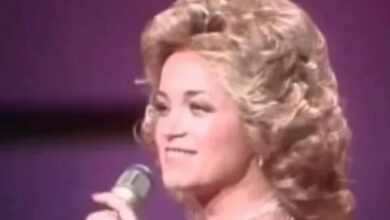
Seeing the song performed in a 1967 live setting puts the whole record in clearer perspective. It becomes obvious that the group’s power wasn’t just studio layering—it was rehearsal, instinct, and an understanding of how to lock voices together like puzzle pieces. The live feel adds a subtle edge, even when the delivery stays smooth. You can sense the era in every detail: the presentation, the pacing, the slightly formal television energy, and yet the music itself feels timeless. The chorus still reads like a dedication, not a trend. That’s what makes this performance different from the average old TV clip: it doesn’t feel like a museum artifact. It feels like a living example of how harmony can carry emotion without raising its voice.
Returning to the studio recording after the live performance is like hearing the final, perfected photograph of the same moment. Everything is balanced, everything is placed exactly where it should be, and the blend feels like it was designed to be replayed forever. The studio version is where you can fully appreciate how the arrangement supports the vocal message. Nothing crowds the lyric. Nothing distracts from the dedication itself. That clarity is part of the reason the song became such a cultural fixture: it’s immediately understandable, but it’s also richly textured. The harmonies don’t just decorate the melody—they deliver the emotional meaning, turning the chorus into something that feels both personal and public at once.
A later soul-era interpretation like The Temprees’ version is a perfect comparison point because it shows how the same song can shift from airy California harmony-pop into something deeper, smoother, and more nocturnal. The Temprees lean into groove and warmth in a different way, letting the dedication feel more like a slow-burning confession than a bright vow. That contrast helps explain what The Mamas & the Papas uniquely brought to the song: light. Not light as in shallow, but light as in illumination. Their version makes the devotion feel like morning sunlight through a window. The Temprees make it feel like the late-night drive home when you’re thinking about someone too much. Same message, different atmosphere.
Hearing the song in a big-stage pop context from a later era—like Neil Diamond’s live performance—underscores how durable the lyric really is. By this point, the song isn’t tied to one decade’s production style; it’s a standard that performers can shape to their own emotional angle. A stadium-ready voice and a larger live band turn the dedication into something more declarative, almost ceremonial. That’s a useful contrast with The Mamas & the Papas, whose strength comes from intimacy and blend rather than sheer volume. Neil Diamond’s version can feel like a public salute. The Mamas & the Papas feel like a private note that somehow got beautiful enough to share with the world.
A modern group-harmony performance like Wilson Phillips (with Owen Elliot-Kugell) brings the song full-circle in a way that feels emotionally loaded rather than merely nostalgic. Now the dedication isn’t just lyrical—it’s literal, tied to legacy, family, and the continuation of harmony as a shared language. This is where the song reveals another layer: it’s not only about romance. It’s also about choosing to honor someone, to carry them forward, to say “this is for you” in a way that survives time. That’s why the song keeps returning in new forms. It’s adaptable because the sentiment is universal, and it’s specific because “dedicated” implies action, intention, and care.
The secret of why The Mamas & the Papas version remains so beloved is that it doesn’t over-explain itself. It trusts the listener to understand what a dedication means. It trusts the harmony to do the talking. And it trusts the melody to stay in your head long after the record ends. In the best pop, repetition isn’t laziness—it’s emphasis. Here, the chorus repeats like a mantra, reinforcing the idea that love isn’t only a feeling; it’s a choice you make again and again. That’s the emotional engine under the sweetness, and it’s why the song can sneak up on you. You think you’re hearing something pretty, and then you realize you’re hearing a philosophy of devotion.
It also captures something rare about 1960s vocal-group pop at its peak: the sense that harmony could be both technique and emotion. Some groups use harmony as decoration. The Mamas & the Papas use it as narrative. In “Dedicated,” the stacked vocals don’t just sound good; they sound like agreement, like multiple hearts co-signing the same message. That’s why it feels communal even when you’re listening alone. It’s a love song that makes room for witnesses, almost like the chorus is inviting the world to remember the person being honored. That’s a powerful cultural function for a pop record, and it’s a big reason this song still feels bigger than its runtime.
Ultimately, “Dedicated To The One I Love” endures because it’s built on a simple emotional truth delivered with uncommon grace. The Mamas & the Papas didn’t turn it into a dramatic spectacle. They turned it into a glowing commitment, carried by harmonies so cohesive they feel like one voice with four shadows. In a catalog filled with era-defining moments, this one stands out because it’s gentle without being soft, heartfelt without being messy, and classic without being distant. It’s the sound of affection that knows exactly what it wants to say, and says it in a way that still feels personal decades later.