Ferlin Husky’s Rhythmic Artistry In “Wings Of A Dove”
Ferlin Husky had a gift for making a three-minute record feel like a full scene, and “Wings of a Dove” is one of the cleanest examples of that craft. It’s a gospel-flavored country hit that never begs for attention, yet it grabs you anyway—because the rhythm is doing quiet, steady work underneath the melody. Husky doesn’t rush the message or over-sing the promise. He lets the groove carry the comfort. The track moves with that classic Nashville polish, but it still feels human, like a roomful of musicians breathing together and agreeing—without speaking—on exactly where the pulse should sit.
What makes this song special isn’t just that it became a major crossover hit; it’s that it sounds inevitable once it starts. The opening sets a tempo that feels like a confident walk, not a sprint, and that choice changes everything. Husky’s vocal sits on top of the beat with a calm certainty, while the band keeps nudging the song forward in small, disciplined steps. It’s the opposite of dramatic: no big tempo tricks, no showy detours. Instead, the rhythm acts like reassurance—steady enough to lean on, gentle enough to believe. That’s the real engine of the performance, and it’s why the song still reads as comfort rather than nostalgia.
The phrase “rhythmic artistry” might sound like something reserved for drummers or jazz singers, but Husky earns it through phrasing. Listen to how he shapes lines so they land where your ear wants them, not necessarily where a lyric sheet would suggest. He’ll hold a word just a hair longer, then release the next one right into the pocket, making the melody feel conversational rather than measured. That micro-timing is the difference between a singer riding a track and a singer steering it. He’s not battling the band for space—he’s partnering with the groove, letting the beat do half the storytelling while he delivers the other half.
The arrangement also matters, because it frames Husky’s timing like a spotlight frames a face. The accompaniment is supportive and uncluttered, built to keep the song moving without distracting from the vocal. There’s an easy swing to the feel—more roll than snap—so the rhythm never turns rigid. Even when the playing is bright, it’s disciplined. The backbeat feels present but not aggressive, and the transitions between phrases stay smooth, like the band is laying down a soft road for the lyric to travel. That kind of control is deceptively hard, and it’s exactly what makes the record sound so sure of itself.
There’s also a subtle tension that makes the comfort believable: the lyric talks about trouble, weakness, and being surrounded, and the rhythm answers with steadiness rather than bravado. Many gospel-leaning country records lean into big emotional peaks, but this one keeps its emotional temperature in a convincing range. Husky doesn’t perform relief like a victory lap; he performs it like a hand on your shoulder. The beat helps with that. It doesn’t “celebrate” the message so much as it underlines it, repeating the idea that stability can exist even when circumstances don’t. That’s a deeper kind of uplift, and it’s why the song still lands.
Part of the magic is how “Wings of a Dove” bridges church imagery and radio-friendly momentum without feeling split in two. Husky’s delivery is clean enough for pop ears, but the cadence still carries that hymn-like patience. He’s not just singing notes; he’s placing them. The chorus feels like it rises, not because the melody leaps dramatically, but because the rhythm opens space for it—like the band slightly widens the lane and lets the words float. That illusion of lift is rhythmic, not theatrical. It’s the kind of detail that turns a simple structure into something that feels timeless.
When people talk about the Nashville Sound, they often focus on smooth production and crossover ambition. “Wings of a Dove” absolutely fits that lineage, but the reason it survives isn’t just polish—it’s feel. The tempo doesn’t wobble, yet it never feels mechanical. The performance stays relaxed without turning sleepy, and that balance is the whole trick. Husky’s voice stays centered, and the band’s pulse stays friendly. It’s music that moves forward while still sounding like it has time. That’s an underrated skill in any era, and it’s why this song keeps finding new listeners who weren’t even looking for it.
And then there’s the personality in the rhythm: Husky’s tone has that bright edge that can cut through a busy room, but he uses it like a spotlight, not a weapon. He knows exactly when to lean into a word, when to ease off, when to let the band finish the thought. The performance feels confident but never cocky, and the rhythm is the reason. It’s a record built on balance—faith and showmanship, polish and warmth, momentum and patience. If you want to understand why Husky could take a gospel-country song to the top of the charts, start with the beat and how lovingly he lives inside it.
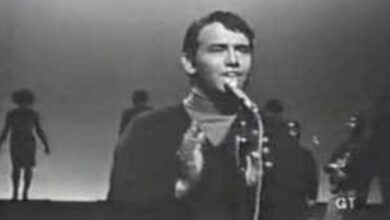
Hearing Husky in a live setting makes the rhythmic intelligence even clearer, because you can feel how he uses time as a tool rather than a constraint. Live, the words can easily get pushed around by crowd energy or band dynamics, but he keeps the phrasing anchored. He’ll let a syllable sit right on the beat, then slide the next phrase slightly behind it, creating a gentle tug that feels comforting instead of tense. The most impressive part is how natural it sounds—like he’s simply speaking in melody—yet the timing is deliberate. That’s the hallmark of a singer who understands rhythm as storytelling, not just as counting.
The studio version is where you can really study the architecture of the groove. Everything is arranged to keep the song moving while leaving Husky room to “breathe” inside the lines. The rhythm section feels like it’s holding a steady wheel, and the rest of the instruments decorate the edges without cluttering the center. Husky’s vocal hits that sweet spot between clarity and warmth—precise diction, but never stiff—and that precision lets him play with micro-delays and gentle pushes. Those tiny choices give the chorus its lift and give the verses their calm, grounded sway. It’s a masterclass in sounding effortless while being incredibly exact.
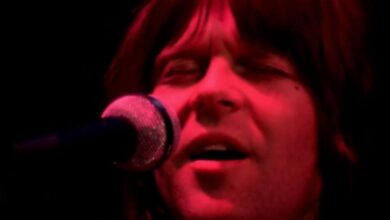
Later-career performances can reveal what time changes and what it doesn’t, and with Husky, the most durable element is still the rhythmic feel. The voice may age, the band may shift, the tempo may land a touch differently—but the pocket remains the pocket. He continues to treat the lyric like something to be delivered with care, not thrown for effect. That’s where his artistry shows: he doesn’t rely on volume or speed to create intensity. He relies on placement. Even in a more modern live production environment, his instinct is the same—keep the groove friendly, keep the chorus buoyant, and let the rhythm carry the reassurance home.
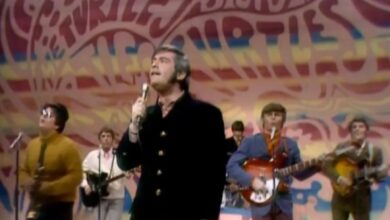
What’s fascinating about a performance from a later TV-era setting is how well the song adapts without losing its identity. The arrangement can lean more contemporary, the band can add a different kind of shine, and yet the core rhythm still reads as “Wings of a Dove” immediately. That’s because the song’s heartbeat is simple and strong, and Husky knows not to overcomplicate it. He doesn’t chase the band; he guides it with phrasing, keeping the chorus grounded and the verses conversational. The result is a version that feels like a living song rather than a museum piece—proof that the rhythm wasn’t just a period style, but a durable design.
Comparing Husky’s approach to later interpreters highlights what made his rhythmic identity so distinctive. Many great singers can deliver the melody and the message, but Husky’s signature is how he keeps the song rolling without ever sounding hurried. In comparison performances, you might hear more overt virtuosity, more instrumental flash, or a more pronounced gospel swell—and all of that can be thrilling. But Husky’s genius is subtler: he makes the groove feel like a promise. The beat stays steady, the phrasing stays kind, and the chorus rises like a calm answer rather than a dramatic peak. That’s why his version doesn’t just sound good; it sounds trustworthy.