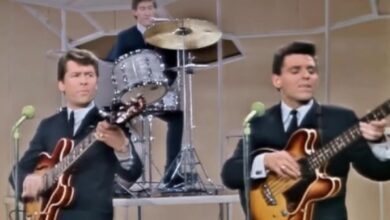
Gerry & The Pacemakers And The Tender Power Of “Don’t Let The Sun Catch You Crying”
When Gerry & The Pacemakers released “Don’t Let The Sun Catch You Crying” in 1964, the British Invasion was already sweeping across the Atlantic, reshaping the sound of pop music in the United States. Liverpool bands were suddenly becoming international stars, and listeners around the world were discovering a fresh wave of emotional, melodic songwriting. While many British groups leaned heavily into energetic rock and upbeat rhythms, Gerry & The Pacemakers offered something softer and more reflective. Their music captured a sense of vulnerability that stood apart from the louder side of the era. This particular song became one of the most heartfelt examples of that approach, blending gentle orchestration with deeply emotional storytelling.
The band itself emerged from the same Liverpool scene that produced The Beatles. Managed by Brian Epstein, who also guided the Fab Four to global fame, Gerry & The Pacemakers quickly built a reputation for polished performances and sincere songwriting. Frontman Gerry Marsden possessed a voice that carried warmth rather than aggression, and that tone proved perfect for emotional ballads. While early hits like “How Do You Do It?” and “I Like It” showcased the band’s pop instincts, “Don’t Let The Sun Catch You Crying” revealed their ability to create something far more intimate and reflective.
Unlike many love songs of the time, the lyrics in “Don’t Let The Sun Catch You Crying” focus on comfort rather than heartbreak alone. The narrator speaks gently to someone experiencing emotional pain, offering reassurance that sadness will eventually fade. This compassionate tone helped the song stand out in an era filled with dramatic break-up ballads. Instead of portraying love as something lost forever, the song suggests that healing is possible and that tomorrow can bring new hope. That emotional optimism gave the track a universal appeal that resonated with listeners across generations.
Musically, the arrangement is remarkably elegant. The song opens with a soft piano introduction that immediately establishes a reflective mood. Strings soon join the arrangement, adding warmth and depth without overwhelming the melody. Gerry Marsden’s vocal enters almost quietly, delivering the lyrics with restraint and sincerity. This subtlety allows the emotional message to unfold naturally. Rather than building toward a dramatic explosion, the song gradually grows in intensity while maintaining a sense of calm and emotional clarity.
The songwriting also carries a fascinating piece of history. The track was co-written by Gerry Marsden alongside Paul McCartney, who contributed to shaping its melody and emotional structure. At the time, collaboration between Liverpool musicians was common, and many artists shared ideas and musical inspiration within the city’s vibrant scene. McCartney’s involvement helped refine the song’s melodic elegance, giving it a timeless quality that continues to resonate decades later. This creative connection further ties the song to one of the most influential musical communities in modern history.
When the single was released in the United States, it quickly climbed the charts and became one of the band’s most recognizable recordings. American audiences were drawn to its emotional sincerity and lush production. In a musical landscape often dominated by upbeat rock singles, this gentle ballad felt refreshingly personal. The song reached the Top 10 on the Billboard charts and helped solidify Gerry & The Pacemakers as one of the leading acts of the British Invasion era.
Live performances of the song often highlighted Gerry Marsden’s natural stage presence. Unlike many performers who relied on flashy theatrics, Marsden’s strength came from his ability to connect emotionally with the audience. His voice carried a sense of sincerity that made the lyrics feel deeply personal. When performed live, the quiet opening moments often drew crowds into a collective hush, creating an atmosphere where every line of the song could be felt rather than simply heard.
As decades passed, “Don’t Let The Sun Catch You Crying” became more than just a chart success. It evolved into one of the defining ballads of the 1960s, remembered for its gentle emotional honesty. While trends in pop music continued to shift toward louder sounds and more elaborate production, the song remained timeless because of its simplicity. Its message of comfort and emotional resilience continues to resonate with listeners who discover it long after its original release.
The original studio version remains the definitive recording that introduced the song to the world. Its careful balance of orchestral elements and understated vocals captured the emotional core of the composition perfectly. The production reflects the sophisticated studio techniques that were beginning to emerge in the mid-1960s, combining pop songwriting with orchestral textures. This approach helped create a sound that felt both contemporary and timeless, ensuring that the song would continue to attract new listeners long after its initial success.
Over the years, numerous artists have revisited the song, drawn to its emotional depth and graceful melody. Each interpretation highlights different aspects of the composition. Some performers emphasize the orchestral grandeur of the arrangement, while others strip the song down to acoustic simplicity. These varied interpretations demonstrate how strongly the song’s core melody and lyrical message resonate across different musical styles and eras.
The song’s emotional atmosphere has also made it a popular choice for television and film soundtracks. Its gentle message of comfort and healing works particularly well in scenes dealing with nostalgia, reflection, or emotional reconciliation. When used in cinematic contexts, the song often reinforces moments of quiet realization, allowing the music to carry emotional weight that dialogue alone might struggle to convey.
Another reason the song continues to endure is its melodic structure. The rising phrases of the chorus create a feeling of emotional lift that mirrors the message of hope within the lyrics. Even listeners unfamiliar with the song often find themselves drawn to its melody almost immediately. This accessibility helped the track remain a favorite among classic pop audiences and ensured its continued presence on nostalgic radio playlists.
More than sixty years after its release, “Don’t Let The Sun Catch You Crying” remains a reminder of how powerful simplicity can be in music. The song does not rely on dramatic vocal runs or elaborate instrumental solos. Instead, its strength lies in emotional honesty and melodic clarity. Those qualities allow the song to connect with listeners on a deeply personal level.
In the history of the British Invasion, many songs are remembered for their energy and cultural impact. Yet ballads like this one reveal another side of that era’s creativity. They show how artists from Liverpool and beyond were capable of crafting music that balanced commercial success with genuine emotional expression. Gerry & The Pacemakers may not always receive the same attention as some of their contemporaries, but songs like this continue to prove their lasting importance.
Ultimately, the enduring appeal of “Don’t Let The Sun Catch You Crying” lies in its quiet compassion. Its message suggests that sadness is temporary and that hope can return with the dawn of a new day. That universal idea continues to resonate with listeners who encounter the song decades after its creation. Through its gentle melody and heartfelt lyrics, the song remains a timeless piece of musical comfort, reminding audiences that even the most painful moments eventually give way to light.