Title: Len Barry’s “1-2-3” And The Bright Spark Of A 1965 Pop Phenomenon
Len Barry’s “1-2-3” is one of those songs that instantly pulls listeners back into the sound and spirit of the mid-1960s. Released in 1965, the track arrived at a moment when pop music was exploding with new styles, youthful energy, and cross-genre experimentation. Barry had already made a name for himself as the lead singer of the Philadelphia group The Dovells, but this single pushed him into a different league. With its bright horn section, irresistible rhythm, and playful vocal style, “1-2-3” captured the optimism and excitement that defined the pop charts during that era. The record felt vibrant, stylish, and unmistakably modern for its time, and it quickly became one of those songs that people heard everywhere—on radios, in dance halls, and on television variety shows that were shaping the culture of the decade.
Part of what made “1-2-3” stand out in 1965 was how perfectly it blended pop accessibility with the emotional flavor of rhythm and blues. Barry’s voice carried a warmth and charm that gave the song a soulful feel without ever losing its lighthearted pop spirit. Many listeners at the time even assumed the singer was a Black soul performer because of the expressive phrasing and vocal style. Instead, Barry represented a growing movement often called “blue-eyed soul,” where white artists performed music heavily influenced by R&B traditions. That mixture helped the record reach a wide audience, connecting with pop fans, dance music lovers, and soul listeners all at once. The result was a song that felt welcoming and exciting rather than confined to one particular genre.
The songwriting also played a huge role in the song’s lasting appeal. Barry wrote “1-2-3” with John Madara and David White, two experienced songwriters and producers who understood exactly how to craft a hit. Their approach kept the structure simple but incredibly effective. The lyrics move with a playful rhythm that mirrors the beat itself, giving the impression that the song is almost dancing along with the listener. The hook arrives quickly, the chorus sticks immediately, and the arrangement wastes no time getting to the elements people remember most. Every piece of the song feels purposeful, from the lively horns to the driving rhythm section that pushes the melody forward.
The chart success of “1-2-3” confirmed that the formula worked perfectly. The song climbed near the very top of the American pop charts and became one of the most recognizable singles of the year. In the United States it reached the number two position on the Billboard Hot 100 and topped other major chart listings. Internationally, it also performed strongly, climbing high in the United Kingdom and several other countries. For a moment in 1965, Len Barry’s voice was nearly impossible to escape. The song’s catchy rhythm and memorable counting theme made it instantly recognizable after just a few notes.
Another key element behind the song’s success was the vibrant music scene in Philadelphia during the early and mid-1960s. Barry’s musical background in the city placed him right in the middle of a community that was shaping American pop and soul music. Philadelphia musicians were experimenting with smoother arrangements and stronger rhythm sections that would eventually evolve into the famous “Philadelphia sound” of the 1970s. While “1-2-3” predates that movement, you can hear the early signs of it in the polished production and tight horn arrangements that help define the track.
Len Barry himself brought a unique personality to the performance that elevated the song beyond its clever songwriting. His delivery is confident without feeling aggressive, smooth without sounding overly polished. The way he glides through the melody makes the record feel spontaneous, as if the music is unfolding naturally rather than following a rigid script. That relaxed charisma is one of the reasons listeners responded so strongly to the single. Barry sounded approachable, energetic, and completely comfortable within the upbeat groove of the track.
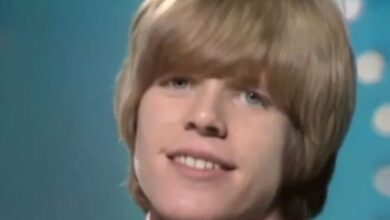
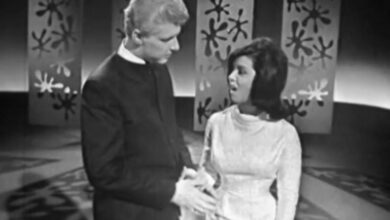
The television performances that followed the single’s release helped cement its popularity even further. Variety shows and music programs were powerful platforms during the 1960s, and a successful appearance could push a song from radio favorite to national sensation. Barry’s performances of “1-2-3” showcased his natural stage presence and ability to deliver the song’s rhythm with confidence. Watching him perform the track reveals how effortlessly he connected with audiences, making the lively number feel both polished and spontaneous at the same time.
Even decades later, the song retains a remarkable sense of freshness. Many records from the 1960s feel tied to their era, but “1-2-3” continues to sound energetic and approachable. The rhythm remains danceable, the horns still feel lively, and Barry’s vocal delivery keeps the record from sounding dated. It represents a moment when pop music was evolving quickly, blending soul influences, youthful enthusiasm, and carefully crafted songwriting into something that felt new and exciting.
Seeing Len Barry perform the song live offers a completely different perspective on its energy. The live performance highlights how naturally the rhythm works with Barry’s voice and stage movement. Without relying on studio polish, the song still carries the same upbeat momentum that made it a hit on radio. Barry’s confident delivery and easy charisma show why audiences connected with him so strongly during the song’s peak popularity. The live setting reveals how much of the record’s appeal came from the singer himself.
The original studio recording remains the definitive version for most listeners. Its arrangement feels tight and efficient, with every instrument serving a clear purpose in the overall groove. The horns punctuate the rhythm perfectly, the drums maintain a steady dance beat, and Barry’s vocal sits comfortably above the entire arrangement. The song’s structure also demonstrates the efficiency of classic pop songwriting. It introduces the melody quickly, reinforces the hook repeatedly, and ends before the energy has a chance to fade.
One of the reasons “1-2-3” continues to resonate with listeners is the way it captures the carefree spirit of 1960s youth culture. During that era, pop music was closely tied to dancing, television appearances, and the growing influence of teenage audiences on the music industry. Barry’s hit reflects that atmosphere perfectly. The upbeat rhythm, playful counting motif, and bright instrumentation all combine to create a record that feels joyful and energetic rather than overly serious.
Other artists also recognized the strength of the song by performing their own interpretations of it. Hearing different singers approach “1-2-3” highlights how flexible the melody and rhythm really are. While each version introduces subtle stylistic differences, Barry’s original performance still stands apart because of its balance of charm and momentum. His voice seems perfectly matched to the lively arrangement, giving the record a personality that later versions rarely capture in quite the same way.
The broader pop landscape of the mid-1960s helps explain why songs like “1-2-3” could become massive hits so quickly. Radio stations were rapidly expanding their playlists, television programs were showcasing new artists every week, and record labels were searching for songs that could capture the excitement of a generation discovering its musical identity. Barry’s single fit perfectly into that environment, offering a sound that felt both polished and spontaneous.
Comparing the song with other upbeat records of the era highlights how distinctive Barry’s performance really was. Many singers of the time relied on powerful vocal intensity or dramatic arrangements to capture attention. Barry, on the other hand, used rhythm and smooth phrasing as his primary tools. His approach feels lighter and more playful, which gives the record a timeless charm that still works decades later.
The enduring legacy of “1-2-3” lies in its ability to represent the optimism of 1960s pop music. It is a song built on simplicity, rhythm, and personality rather than elaborate production tricks. That straightforward energy allows the record to survive long after many of its contemporaries have faded from public memory. Each time the opening beat begins, it still carries the excitement of the moment when Len Barry first introduced it to audiences.
Today the song remains a fascinating reminder of how quickly a great pop single can capture the imagination of an entire generation. In 1965 it was a soundtrack to everyday life, heard in cars, homes, and dance halls across the country. While many modern listeners may only encounter it occasionally on oldies playlists, the energy and craftsmanship behind “1-2-3” continue to demonstrate why it once stood near the very top of the charts. Even after all these years, the record still carries the lively spirit that made it unforgettable when it first arrived.