The Skyliners Capture Eternal Devotion With “This I Swear” in 1959
“This I Swear” sits right in that sweet spot of late-1950s American pop where doo-wop romance was still street-corner intimate, but the records were already engineered to sound like they could fill a ballroom. The Skyliners had a signature that was instantly recognizable—soaring tenor emotion paired with a smooth, chorus-backed glide—and in 1959 they were riding a moment when vocal-group harmony still felt like the center of youth culture. What makes “This I Swear” fascinating is how it frames devotion as something almost ceremonial: it’s not just “I love you,” it’s “I’m staking my name on it,” sung with the kind of conviction that turns a simple lyric into a vow. That tone is why the song keeps resurfacing in oldies playlists and memory-lane radio decades later, even for listeners who can’t name every member of the group.
The timing matters, too. Coming in 1959, “This I Swear” followed the band’s breakout success and had the difficult job of proving they weren’t a one-hit wonder. Instead of chasing novelty, The Skyliners doubled down on what they did best: romantic drama delivered with elegance, not swagger. The record has that classic doo-wop architecture—intro that feels like a curtain rising, verses that lean into yearning, and harmonies that swell at just the right moments—yet it’s never stiff. It has motion, like a slow dance where the singer keeps pulling the listener closer with each line. It also captures a particular kind of sincerity that modern pop sometimes avoids; it’s unafraid of being tender, and it doesn’t hide behind irony. That honesty is exactly why it still hits hard.
There’s also a reason “This I Swear” has remained one of those songs that people associate with real-life scenes—school dances, car radios, late-night slow songs on a jukebox, even the soundtrack to someone’s first serious heartbreak. The melody is built for memory: it doesn’t rush, it lingers, and it gives the vocal room to ache without turning melodrama into noise. Even if you hear it only once every few years, the chorus tends to stick, because it’s structured like a promise you can’t take back. That’s the genius of classic doo-wop writing when it’s done right: it’s simple enough to sing immediately, but emotionally specific enough to feel personal. The Skyliners’ delivery makes it sound like they meant every word the first time—and still mean it now.
What makes this era of The Skyliners especially compelling is the way their records balance polish and vulnerability. You can hear the care in the backing vocals, the way the harmonies support the lead without crowding it, and the way the arrangement keeps the listener’s attention without flashy tricks. The song never needs a big instrumental “moment” to prove its point; its power is in the voice and the vow. That’s also why “This I Swear” translates so well across generations: younger listeners who discover it aren’t forced to “understand the time period” to feel it. The emotional message is immediate. The record doesn’t demand context—it delivers feeling. And when a doo-wop track does that, it becomes the kind of song people pass to each other like a secret.
Historically, the numbers underline its impact. “This I Swear” reached the Billboard Hot 100 and peaked at No. 26, which is strong enough to mark it as a legitimate national hit, not merely a regional favorite. It also shows how The Skyliners’ sound traveled beyond one city or one scene, landing in a wider American audience that was hungry for harmony records with genuine emotional weight. This wasn’t a novelty single that burned fast; it was a song that hung around long enough to build a reputation. And once a record becomes “the slow song people remember,” it tends to outlive the charts anyway. Chart peaks tell you it mattered then; the fact that it still gets played tells you it mattered in a deeper way that numbers can’t fully measure.
The story becomes even richer when you consider the physical single itself. “This I Swear” was issued on Calico Records, paired with “Tomorrow,” and that pairing reflects how labels thought about mood and audience in the late ’50s—two sides designed to keep a listener in the same emotional neighborhood. Collectors still track down those 45s because they’re more than songs; they’re artifacts of a time when music was something you held, flipped, and replayed until the grooves wore down. That tactile culture shaped how people bonded with records like this: you didn’t “stream” a feeling, you owned it, and you wore it out. The Skyliners made music that benefited from that intimacy because the more you replayed it, the more it felt like it belonged to you.
Musically, “This I Swear” is a masterclass in restraint. It doesn’t overpower you; it persuades you. The lead vocal sits at the front like a conversation, and the harmonies behave like supportive friends who echo the emotion without stealing attention. The phrasing—especially in the lines that sound like they’re reaching for certainty—adds to the song’s tension: it’s a confident promise, but you can hear the fear underneath, like the singer knows love is fragile and wants to lock it down with words. That little emotional contradiction is exactly what makes it feel real. Anyone can sing “I’ll love you forever,” but it takes craft to make that line sound both hopeful and haunted at the same time.
Then there’s the cultural backdrop: 1959 was a hinge year, sitting between the early rock-and-roll explosion and the coming wave of new styles that would reshape the charts in the early ’60s. Doo-wop was evolving, and songs like “This I Swear” show how the genre could be simultaneously youthful and mature—clean enough for radio, emotional enough for teenagers, and melodic enough for adults who still cared about classic pop singing. That wide appeal is one reason the track has endured. It’s romantic without being childish, dramatic without being messy, and memorable without being gimmicky. When people talk about “songs they don’t make anymore,” this is the kind of record they usually mean: a simple structure, a huge heart, and a melody that knows exactly where to land.
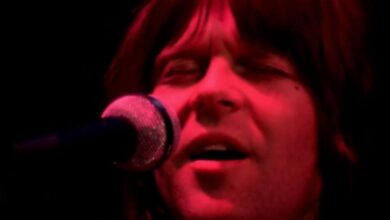
Hearing the song in a live setting—especially in later years—adds a completely different dimension to what “This I Swear” is really about. Live, the vow stops being a studio moment and becomes something the crowd participates in, because so many people in the room are attaching the lyrics to their own stories. The tempo and arrangement can breathe differently, and you can feel the singer leaning into certain phrases because the audience response tells him what lands hardest. That feedback loop is part of what makes oldies acts so powerful onstage: the performance isn’t just “here’s the song,” it’s “here’s your memory, sung back to you.” When “This I Swear” is performed live, it often sounds less like a teenage promise and more like a lifelong one—because the people singing along have lived long enough to know what it costs to keep a vow.
Going back to the classic studio recording is like stepping into a preserved photograph: the balance of voices, the clean emotional line, the way the arrangement frames the lead without clutter. This is where you hear why the record charted in the first place—because it’s built to communicate immediately through a radio speaker, even if the signal is faint and the car engine is loud. The recording has that late-’50s clarity where every harmony is placed carefully, and the lead is allowed to carry the narrative without being drowned in effects. It’s also a reminder that The Skyliners didn’t need theatrics to sound dramatic; their harmony blend created its own atmosphere. The studio version is the blueprint: pure sentiment, tight vocal control, and a chorus designed to feel inevitable.
One of the most revealing comparisons is listening to another official audio upload, because it highlights how differently the same song can “feel” depending on mastering, source tape, and presentation. Sometimes the vocal sits slightly higher, sometimes the backing harmonies feel more present, and small shifts like that can change the emotional color of the whole performance. For fans, these variations aren’t just technical—they’re part of the obsession, because the song is so personal that people want the version that matches how they remember it. That’s the strange magic of old recordings in the digital era: you can hear the same track through multiple windows, and each window shades the mood a little differently. “This I Swear” survives all of it because the core is unshakable: melody plus vow, delivered like it matters.
To understand why “This I Swear” stands out even among other doo-wop standards, it helps to watch longer concert footage that captures how groups of this era built a set and managed emotional pacing. In a full show, a song like this often becomes the night’s center of gravity—the moment when the room softens, couples lean in, and the noise turns into listening. That context shows what the song really does: it slows time. A good doo-wop ballad isn’t just a track between uptempo numbers; it’s a reset button for the whole crowd’s emotional temperature. When the band hits those harmonies live, you can see the audience react physically—shoulders drop, faces change, people mouth words they haven’t said out loud in years. That’s not nostalgia as decoration; that’s nostalgia as a real emotion.
Comparing “This I Swear” to similar-era vocal-group performances also makes its strengths clearer. Many doo-wop songs aim for charm, some aim for heartbreak, some lean into playful teen drama, but “This I Swear” is unusually direct about devotion. It’s not flirting with commitment; it’s declaring it. That’s why it pairs so naturally with other classic slow-dance staples from the period, yet still feels distinct—because the lyric doesn’t just describe love, it swears it. When you line it up next to other famous ballads, you hear how The Skyliners’ style is built on clean emotional delivery rather than vocal gymnastics. It’s the kind of song that doesn’t need to impress you; it needs to convince you. And if you’ve ever wanted a record to sound like someone is promising they won’t leave, this is one of the purest examples of that feeling.
Even today, the real power of “This I Swear” is how it carries its own atmosphere. You don’t have to be a doo-wop expert to feel it. You just have to recognize the moment when a melody makes a room quieter, when words that are almost too sincere to say in everyday life suddenly feel safe to sing. The Skyliners captured that on tape in 1959, and the song’s continued life—through live clips, reissues, and rediscoveries—proves the vow still connects. Some records are time capsules; others are bridges. “This I Swear” is a bridge between eras, between listeners, and between the private feeling of love and the public act of declaring it out loud. That’s why it lasts: because it isn’t a trend. It’s a promise.