Paul & Paula’s “Hey Paula” Became One Of The Most Beloved Romantic Duets Of The Early 1960s And Still Captures The Innocence Of Young Love Today
Paul & Paula’s “Hey Paula” belongs to that rare category of pop songs that seems simple on the surface but reveals deeper cultural significance the more it is revisited. Released in the early 1960s, the song arrived during a time when American pop music thrived on youthful innocence, heartfelt lyrics, and melodies that felt instantly personal. Its gentle back-and-forth structure between two lovers captured the imagination of listeners across the country, eventually rising to the very top of the charts. The song became a defining romantic duet of its era, representing a moment in pop history when sincerity was the most powerful ingredient in a hit record.
The story behind Paul & Paula adds even more charm to the legacy of “Hey Paula.” The duo was actually Ray Hildebrand and Jill Jackson, two young performers from Texas who were connected through the same college community. Hildebrand wrote the song as a simple romantic idea, never expecting it to become a nationwide sensation. Yet once the track began spreading beyond local radio stations, it quickly captured the attention of a much larger audience. Their names were even adapted to match the song’s narrative, transforming Ray and Jill into “Paul and Paula,” making the duet feel even more like a real conversation between two lovers.
What makes “Hey Paula” so memorable is the conversational structure of the song. Instead of one singer telling a story about love, the record allows two voices to interact naturally, almost as if listeners are overhearing a private exchange. Each verse passes the emotion back and forth, creating a sense of intimacy that was uncommon in many pop recordings of the time. This dialogue format helped the song feel authentic and relatable, giving listeners the sense that they were part of a shared emotional moment rather than simply hearing another love song on the radio.
The melody also plays a crucial role in the song’s enduring appeal. Built around a gentle rhythm and clear vocal harmonies, the arrangement avoids unnecessary complexity. There are no flashy instrumental breaks or dramatic vocal tricks. Instead, the music allows the voices of Paul and Paula to carry the emotional weight of the performance. This restraint gives the song a timeless quality. Even decades later, it still sounds sincere rather than dated, proving that simplicity can often be the most powerful tool in songwriting.
When the duo performed the song live, the emotional connection became even more visible. Watching Paul & Paula face each other on stage added a layer of authenticity that studio recordings could only hint at. Their body language and timing reinforced the feeling that the lyrics were unfolding in real time. Instead of appearing as polished pop stars, they seemed like two young people sharing a heartfelt promise. That visual sincerity helped strengthen the emotional impact of the performance and contributed to the song’s enduring popularity.
The early 1960s were a unique moment in pop history. Rock and roll was evolving rapidly, yet there was still room for softer, romantic songs that captured the imagination of teenagers dreaming about love and the future. “Hey Paula” fit perfectly into this landscape. Its hopeful tone and tender lyrics reflected a time when pop music often celebrated idealism rather than rebellion. For many listeners, the song became a soundtrack to youthful romance, embodying the hopeful spirit of the era.
Another reason the song continues to resonate is the balance between commercial polish and genuine emotion. While the recording was clearly crafted to succeed on radio, it never feels forced or overly produced. The vocal chemistry between Paul and Paula remains the centerpiece of the track. Their voices complement each other naturally, creating a harmony that feels effortless. That authenticity allowed the song to connect with audiences far beyond its original release, keeping it alive through generations of listeners.
Over time, “Hey Paula” has come to represent one of the final shining examples of early-1960s pop innocence before the musical landscape shifted dramatically. Within a year of its success, the British Invasion would begin reshaping the sound of mainstream music. Bands like The Beatles would soon dominate the charts, introducing new styles and attitudes. Yet songs like “Hey Paula” remain important reminders of the musical world that existed just before that transformation took place.
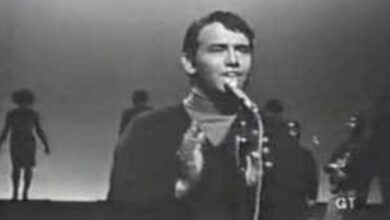
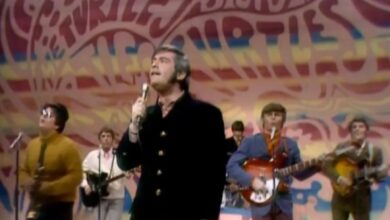
Seeing the song performed live highlights how much emotional impact can come from subtle performance rather than grand spectacle. The stage presentation is simple, the arrangement modest, yet the emotional clarity of the duet keeps the audience fully engaged. Instead of overwhelming listeners with production, the performance draws attention to the connection between the singers. That intimacy is part of what made the song stand out during its original era and why it continues to feel genuine today.
The original studio recording remains the definitive version of the song. Clocking in at just over two minutes, it demonstrates the efficiency that defined many early pop hits. Every element of the arrangement serves the melody and the conversation between the two voices. The recording feels balanced and warm, allowing the emotional core of the song to shine through without distraction. It stands as a perfect example of how concise songwriting can create something timeless.
Comparisons to other harmony-driven duets from the era reveal why “Hey Paula” occupies such a special place in pop history. Songs built around male-female vocal interplay often rely on either dramatic storytelling or powerful vocal display. Paul & Paula chose a different approach, focusing on tenderness and emotional clarity. This difference gives the song a lighter, more conversational tone that sets it apart from many other love songs of the period.
The evolution of the pop duet in later years shows how quickly musical styles changed. By the mid-1960s, duet performances had become more theatrical and more stylized. Artists began emphasizing personality, fashion, and stage presence alongside vocal chemistry. Compared with those later performances, “Hey Paula” feels refreshingly straightforward. Its charm lies not in spectacle but in the sincerity of its delivery.
Country-influenced duet traditions would later bring deeper emotional storytelling into the format. These performances often carried a sense of maturity and emotional weight. In contrast, “Hey Paula” captures the excitement of young love just beginning. That youthful optimism is part of what gives the song its lasting emotional appeal. It represents a moment of possibility rather than reflection.
Soul music would eventually transform the duet format into something far more energetic and passionate. Later collaborations often relied on explosive vocal chemistry and dynamic instrumentation. When placed beside those later performances, “Hey Paula” stands out for its quiet charm. It shows that emotional connection does not require volume or intensity to be effective.
More than sixty years after its release, “Hey Paula” remains one of the most recognizable romantic duets in pop history. Its success demonstrates that songs built on sincerity, melody, and human connection can endure far beyond the era that produced them. What began as a simple college-era composition grew into a defining love song that continues to capture hearts across generations. Even today, its gentle promise of love and devotion still feels as genuine as it did when it first reached listeners in the early 1960s.