You Don’t Own Me: How Lesley Gore Turned A Pop Song Into A Quiet Revolution
Lesley Gore’s “You Don’t Own Me” has the rare kind of opening that feels like a door clicking shut. It doesn’t flirt, it doesn’t plead, it doesn’t soften the message for anyone’s comfort. It simply states the boundary and dares the world to argue with it. When the record arrived in the early 1960s, teen pop was packed with songs where girls waited by phones, worried about pleasing boyfriends, or apologized for wanting space. Then this voice shows up and calmly refuses the entire script. Even now, long after the fashion and slang of that era have faded, the attitude still lands with a jolt because it sounds like self-respect in real time, not nostalgia.
What makes the song so fascinating is that it wasn’t marketed as a protest anthem with a capital A. It was a pop single aimed at young listeners, delivered by a teenager whose earlier hits had already made her a household name. That’s part of the shock value: the industry’s “safe” teen star suddenly stepping into a lyric that draws a hard line and stays there. The words aren’t abstract. They’re practical, direct, and personal, like a conversation that finally stops being polite. That clarity is why the track doesn’t just survive; it keeps reappearing whenever culture swings back toward debates about agency, image, and who gets to decide what a young woman should be.
The timing mattered. The early 1960s were full of contradiction: modernity in the air, old rules still heavy on the ground. Pop music mirrored that tension, often putting young women into roles that were romantic, vulnerable, and emotionally dependent. “You Don’t Own Me” doesn’t ask permission to be different. It speaks like someone who has already decided. It’s also careful not to replace one controller with another; it isn’t about finding a better boyfriend or making a partner behave. It’s about refusing the idea of ownership entirely. That’s why it reads as bigger than a breakup song. It’s a declaration of autonomy hidden in plain sight on the radio.
Musically, the record behaves like it knows its own power. The arrangement moves with a dramatic, almost theatrical patience, giving Gore space to sound composed rather than frantic. Instead of belting for approval, she delivers the lines with a cool steadiness that suggests the decision has already been made. The song’s structure adds to that feeling of control: the shifts in mood and intensity don’t sound like emotional chaos, they sound like escalation with purpose. The production frames her as a narrator with authority, not a character begging for love. That sonic confidence is a huge part of why the track feels modern even when you can hear the era in the orchestration.
There’s also a fascinating tension between innocence and defiance. Gore’s voice carries the brightness of teen pop, but the lyric insists on adulthood, agency, and personal sovereignty. That contrast is what makes the performance feel brave. It isn’t a hardened voice delivering a hardened message; it’s a young voice drawing a boundary anyway. The result is emotionally complicated in the best way. The song doesn’t deny vulnerability, it simply refuses to let vulnerability become a leash. In a culture that often expected girls to be agreeable, the record’s calm refusal sounds like a new kind of courage: not loud, not violent, just unwavering.
The song’s backstory adds another layer to its myth. It was written by Philadelphia songwriters John Madara and David White and recorded when Gore was still a teenager, with Quincy Jones producing the session. That combination mattered: a young singer with the credibility of hits, a lyric that didn’t behave, and a producer capable of giving the record cinematic weight without turning it into melodrama. The track also carried real commercial force. It wasn’t a cult classic discovered decades later; it was a major hit that climbed high on the charts and stayed there long enough to become a shared reference point for a generation of listeners.
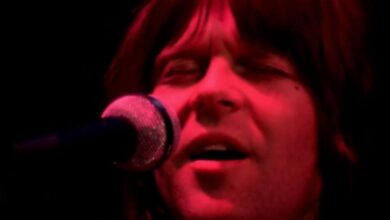
If there’s one performance that helps explain why “You Don’t Own Me” became more than a record, it’s the way Gore delivered it live during the 1960s when pop television and concert films turned singers into national faces. A live setting stripped away any illusion that the message was just studio theatre. When she sang it onstage, she didn’t come off as a character acting tough; she came off as a person saying something she meant. That’s why the song’s legacy is tied so closely to footage of her performing it. Seeing a teenage artist hold the room with that lyric, in that era, reframes the entire track. It stops being a catchy single and becomes a cultural moment.
Over the decades, “You Don’t Own Me” kept changing outfits without changing its soul. It resurfaced in movies and television when directors needed a shorthand for liberation, especially the kind that arrives after exhaustion or betrayal. It also gained new life as audiences grew more fluent in the language of boundaries. The lyric “I’m free and I love to be free” reads differently in every decade, because each decade invents new ways to test freedom and new ways to police it. The song keeps coming back because it’s simple enough to be universal and sharp enough to feel personal. It doesn’t lecture; it asserts.
In the live performance above, what stands out isn’t just the period styling or the vintage staging, but the steadiness. Gore doesn’t sell the lyric with aggression. She sells it with certainty. That choice is everything, because certainty is the real threat to control. The performance also highlights how the song’s drama is built into the composition rather than manufactured through vocal theatrics. She lets the arrangement do its work, then lands the message like a final stamp. You can feel the room shift as the chorus comes around, because the lyric is not a romantic complaint; it’s a refusal. That difference is why the track felt dangerous in a polite era and still feels electric in a loud one.
Hearing the studio recording after the live version is a reminder of how intentionally the record was shaped. The production gives the song a kind of widescreen sadness, like a classic film scene where a character finally walks away without begging to be loved back. Gore’s vocal sits right in the sweet spot between vulnerability and authority, never tipping into cruelty, never collapsing into submission. The record’s restraint is part of its bite. It doesn’t shout “I hate you.” It says “No.” That single syllable carries an entire philosophy. It’s also the reason the track has been framed as an early pop statement of women’s empowerment: it normalizes the idea that a young woman can set terms and keep them.
By the time later generations encountered “You Don’t Own Me,” the lyric had become a template that artists could remix, harden, sweeten, or modernize depending on what their era demanded. Some covers lean into punk defiance, turning the song into a sneer. Others lean into glossy pop, making it sound like a confidence anthem built for dance floors and TikTok edits. But the core test remains the same: can the singer deliver independence without turning it into performance for someone else? The best versions keep the original’s emotional intelligence. They don’t just sound strong; they sound self-possessed, as if the singer would still mean it even if nobody clapped.
Joan Jett’s approach underlines how flexible the song really is. Where Gore’s version can feel like a dramatic curtain falling, Jett’s interpretation brings a tougher edge, emphasizing refusal as a kind of armor. The attitude shifts, but the meaning doesn’t. That’s the song’s genius: it’s not tied to one genre’s idea of strength. It can be orchestral and elegant or loud and gritty, and it still communicates the same boundary. Listening across these versions also reveals something subtle about the original: it never needed volume to be powerful. It needed conviction. Every credible cover is really paying tribute to that conviction more than to any particular vocal riff.
Modern pop updates, like the SAYGRACE version featuring G-Eazy, show how “You Don’t Own Me” can become a conversation across decades. The contemporary production reshapes the track into something built for modern playlists, and the duet framing changes the power dynamic in interesting ways, turning the song into a public negotiation rather than a private declaration. For some listeners, that shift makes the track feel newly contemporary; for others, it highlights what was so radical about Gore’s original simplicity: one voice, one boundary, no debate. Either way, the continued success of modern versions proves the point. The lyric still works because the problem it addresses never fully disappears; it just changes its costume.
What ultimately keeps “You Don’t Own Me” alive is that it refuses to be trapped in a single meaning. It can be about romance, yes, but it can also be about family expectations, public image, workplace control, or the quieter forms of pressure that don’t look like ownership until you try to leave. That universality is why the song keeps popping up in cultural flashpoints and personal playlists alike. It’s short, but it contains an entire worldview. And because it’s a pop song, it sneaks that worldview into spaces where speeches can’t reach. People sing it in cars, at karaoke, in bedrooms, at concerts, and the line still lands like a small revolution.
Reporting notes: Key historical details used here include the song’s 1963 release, writers (John Madara and David White), Quincy Jones’s production, and its peak at No. 2 on the Billboard Hot 100. (Wikipedia)