Brian May and Roger Taylor Perform “Bohemian Rhapsody” at the Proms
“Bohemian Rhapsody” moves through several musical sections, making it suited to a symphonic presentation. Its contrasting parts give an ensemble different textures to work with.
Brian May’s official website identifies the 2025 appearance as a 50th-anniversary celebration featuring May and Roger Taylor, who joined a symphonic group.
The Royal Albert Hall provides a large concert setting. The occasion brings Queen’s musicians together with orchestral and choral forces.
May’s guitar remains recognizable within the expanded sound. An electric instrument can cut through orchestral textures differently from strings and voices.
The song’s sections create distinct tasks for the ensemble. A quieter passage needs space around its melody, while fuller sections can incorporate more instruments.
Watch the performance
Movement between those musical spaces is central to the performance. Listeners can follow a familiar song while hearing its sections given different weight.
Choral singing adds a group dimension to music known for layered vocal writing. The singers make those textures present within the concert hall.
The orchestra offers several colors around the melody. Strings, winds and percussion each support phrases in different ways.
May and Taylor’s participation directly connects the anniversary performance with Queen. Their presence is part of the occasion’s identity.
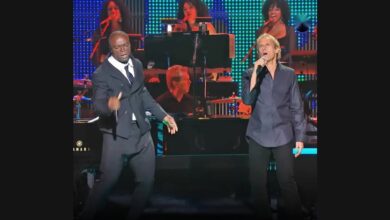
An audience recording captures the event from within the hall. It conveys the scale differently from a controlled studio video.
An anniversary performance can bring both familiarity and new details. Listeners know the song, then hear how the arrangement changes it. The arrangement’s sections allow the concert to shift between intimate and expansive sounds. Choral voices add a visible group dimension, while May’s guitar remains a familiar part of the Queen sound. The orchestra can expand the texture without making every passage equally full. That balance helps listeners follow the song’s changes and recognize how the 50th-anniversary presentation differs from the original recording. The hall and audience add another layer to the event. The symphonic setting gives the song’s existing contrasts another scale. The orchestra and choir support sections that differ in density, while May’s guitar remains an identifiable link to Queen. These changes can be heard across the piece as it moves between quieter and fuller passages. The audience recording also places the performance within the Royal Albert Hall rather than a studio, making the event’s scale part of the experience.
On another listen, follow the changes in instrumental density. Notice where the sound leaves room for a melody and where more forces enter.
Queen’s official “Bohemian Rhapsody” video provides the original comparison. Returning to it makes the changes in scale easier to hear.
Benson Boone’s Coachella performance with Brian May offers another contemporary setting for the song. Its festival presentation provides a different context.
These comparisons do not need to establish a definitive version. They show how the song’s sections can support different arrangements and occasions. Watching the complete version makes the relationship between the song’s sections and the larger orchestral forces easier to hear.
The Proms performance marks the song through participation and remembrance. Queen musicians, orchestra and voices share the concert space.
More videos to explore
Queen’s official video offers the original studio reference for the anniversary arrangement.
Watch Benson Boone’s official Coachella video to see Brian May join him for another recent performance of “Bohemian Rhapsody.”
Further reading: Last Night of the Proms performance details and source.