Erin Morton and Her Student Ensemble Give Creep a Patient, Powerful Build
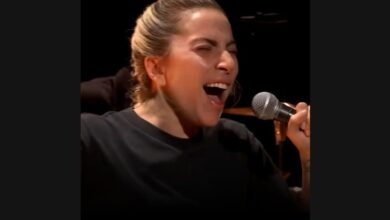
Erin Morton’s Creep at the University of Cincinnati College-Conservatory of Music’s annual Jam Band event gives familiar Radiohead material another expressive frame. Recognition helps the audience follow the song, while the vocal choices change how its feeling arrives. The student performance offers both a known melody and a distinct interpretation to listen to within it.
Morton was studying musical theatre when the video reached a broad social-media audience in 2025. The setting places her voice within a collaborative educational event, with fellow students contributing to the result. That context is part of the recording’s identity, preserving a performance that begins as shared school work before finding listeners far beyond campus.
Contrast drives the interpretation. A comparatively gentle opening gives the later intensity room to register, allowing a stronger passage to become a change rather than the only scale available. The progression makes the pacing important, with restraint supplying a reference for the force the vocal develops as the arrangement opens.
The lyric remains central through those changes. Pauses and emphasis shape the quieter lines, while the stronger delivery changes the weight around the same recognizable melody. Morton gives the material an individual perspective without requiring an entirely different song, making interpretation audible through how familiar phrases are prepared and completed.
The university credits Sarah Folsom and Jacob Priddy with musical direction and arranging. Priddy plays piano alongside Sophia Troyer on bass, Micheal Dorst on guitar, and Aaron Coffenberry on drums. Those roles give the performance a concrete collaborative frame, identifying the musicians whose parts help the vocal interpretation develop across the song.
Watch the performance
The live accompaniment provides continuity and a capacity to respond. A restrained passage and a larger section need different kinds of support, giving the ensemble an active role in the build. The musicians keep the same expressive direction, allowing the voice to have room while the arrangement continues carrying momentum around it.
Sydney Short captured the video, and Reagan Warvel supported the sound production, according to the university. Their work connects the original event with later listeners, making the musical detail accessible outside the room. The recording’s reach depends partly on those less visible contributions, which preserve the performance rather than simply documenting that an event occurred.
By April 2025, the university reported that the original TikTok had exceeded 11 million views. That figure belongs to a particular reported moment, while the performance remains available beyond the initial attention. Its continuing interest can be heard in the arrangement and delivery, giving the audience something more specific to assess than popularity alone.
The recording offers audible reasons for that attention. The voice has a clear direction, and the supporting musicians leave space before expanding the frame around it. A relatively modest setting helps the interaction remain apparent, keeping the focus on choices made together rather than surrounding the performance with a large visual production.
Individuality emerges through emphasis as well as through changing an arrangement. A known line can acquire another emotional weight when a singer alters its pace or completion, allowing a familiar composition to be heard differently. Morton’s reading works through that possibility, giving recognition a role without letting it determine every detail of the performance.
The event also makes the value of collaborative training visible. Vocal work, arranging, instrumental playing, and technical production meet in one result, with each responsibility contributing something the others cannot replace. The finished recording presents that shared effort as music, allowing the audience to hear how separate areas of preparation become a connected performance.
The university described the response as opening opportunities for Morton, who expressed gratitude for the encouragement around the video. Wider attention gives an emerging performer contact with listeners who would not have attended the original event. The clip creates that introduction while retaining the school setting and collaborative character from which it began.
Creep’s recognizable writing provides a stable frame for the expressive decisions. Technical control has a purpose when restraint, intensity, and pacing contribute to the song’s uneasy feeling. The reinterpretation becomes more than a demonstration of ability, using the available range to communicate a direction within material many listeners already know.
The complete sequence explains that direction more clearly than a short highlight. A strong run or a forceful phrase can attract immediate notice, but the quieter music gives it a place to arrive. Following the development keeps the emotional peak connected to preparation, showing why the performance works across the song rather than only at one moment.
The visible student setting adds another perspective to the discovery. Viewers encounter an emerging singer working with fellow musicians, making the performance’s existing skill apparent before considering the scale of its later audience. The recording lets that first context remain present, preserving a school event even as it becomes an introduction elsewhere.
Morton’s Creep rewards returning to the ensemble as well as the lead. The accompaniment helps determine the scale around each phrase, while the voice gives the arrangement an individual center. Together, those contributions make a complete interpretation, explaining the interest through musical choices that remain available after the first wave of social attention has passed.
More performances to enjoy
The spontaneous guitaro5000 Creep performance offers another discovery in a modest setting. Its interaction between an invited singer and an accompanying guitarist provides a companion through the same composition, with a different environment and partnership shaping the result.
Radiohead’s Creep at Glastonbury in 2017 returns the song to the band. The rock arrangement supplies a direct reference, allowing listeners to compare familiar writing across the original performers and Morton’s student-ensemble interpretation without treating either setting as interchangeable.