Pentatonix Brings The Sound of Silence Into the Hollywood Bowl’s Open Air
Pentatonix approaches The Sound of Silence at the Hollywood Bowl through the ensemble sound that helped establish the group. Formed in 2011 and brought to national attention through The Sing-Off, the singers built a following around their vocal arrangements of familiar material. This live recording places that approach on a concert stage, where the relationship between individual voices and the full group remains the center of the performance.
The Hollywood Bowl gives the arrangement a setting with a considerable musical history and a large audience space. For a group widely encountered through online recordings, the concert offers another way to experience the same musical ingredients. The voice-led sound has to carry as a continuous performance, with the scale of the venue providing a different frame from a close studio video.
The open-air amphitheater is part of the recording’s atmosphere. Stage and audience share a much larger space than the intimate sound of a vocal harmony might initially suggest. That contrast makes the arrangement interesting to follow: its smaller phrases belong to a performance taking place before a substantial gathering, and the singers have to maintain the song’s sense of connection across it.
The musical focus remains the five voices. Melody, low support, upper harmonies, and rhythmic detail create the arrangement’s range without an instrumental band underneath. Each part contributes to the texture, giving listeners several roles to follow even when the combined sound seems unified. The simplicity of the resources makes their coordination especially important to the performance’s shape.
Within the broader concert setting, a reflective song brings a different pace and tone. The group’s vocal approach allows those changes to emerge through arrangement rather than a change of instruments. A melody can move forward over sustained harmony, while rhythm and lower notes supply structure. The Sound of Silence makes those relationships especially audible because its familiar tune gives the listener a clear point of orientation.
Watch the performance
The opening establishes a relatively restrained scale. That leaves space for later passages to grow and allows the first phrases to register on their own. Listening from this point gives the performance a direction, with subsequent additions heard as developments of an atmosphere already in place rather than as disconnected moments of vocal display.
The arrangement uses the song’s recognizable melody as a framework for changing textures. Parts enter and combine to alter its weight while preserving a connection to the opening. The interest lies in how those layers are placed over time, with each new emphasis affecting the atmosphere without making the tune difficult to follow.
Scott Hoying’s lead supplies an anchor, while Mitch Grassi’s upper register adds a contrasting color. Lower voices provide weight beneath the melody, and the rhythmic details help hold the phrasing together. The combined effect depends on those roles relating to one another, allowing the arrangement to sound broad while retaining the character of its individual parts.
As the song progresses, the vocal texture gains intensity. The larger passages feel connected to the quieter beginning because the performance develops through changes of blend, register, and emphasis. Following that arc makes the closing response part of a complete concert exchange, with the audience hearing the arrangement move from its initial restraint toward a fuller sound.
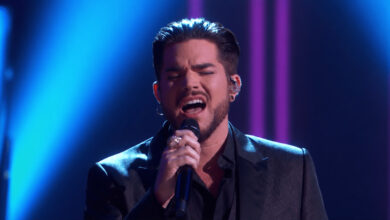
The visual presentation leaves room for that musical progression to remain central. Lighting frames the singers within the larger stage, while the recording gives viewers a way to connect the sound with the people creating it. The performance’s atmosphere comes through the pacing and the relationship of the voices, with the staging providing a setting for those details.
Online clips make the Hollywood Bowl performance available to listeners beyond the venue. They also offer a chance to revisit parts of the arrangement that can pass quickly in a live concert. Returning to a transition or a change of vocal lead can reveal how the full sound is assembled, giving the recording value beyond its strongest climactic passage.
For listeners already familiar with Pentatonix, the performance places recognizable musical choices in a different space. For someone meeting the group through this video, it introduces the interplay between an individual melodic line and a larger vocal frame. Both listening routes lead to the same practical question: how the five singers distribute the song’s work between them.
The live setting provides a useful connection with the group’s recorded work. Vocal roles familiar from online performances have to remain coordinated through the whole song, with each entrance contributing to the next section. The Sound of Silence gives that ensemble process a reflective focus within the broader movement of a concert.
The progression from quiet opening to fuller later passages is a useful reason to watch from beginning to end. Each stage changes how the next one is heard, giving the performance a sense of arrival that a short highlight cannot fully preserve. The arrangement develops its scale through preparation, keeping the closing sections connected to the initial mood.
The Hollywood Bowl video is particularly useful for following those transitions in one continuous performance. Individual singers contribute to a musical frame that must stay coherent as the texture changes. Hearing the handoffs, supporting notes, and shared phrasing reveals the group work inside a sound that can appear effortless when encountered only in a brief clip.
Pentatonix’s reading gives The Sound of Silence a shape built from the range of a small vocal ensemble. Its depth comes through the distribution of parts and the patient growth of the arrangement. The large concert setting supplies the occasion, while the voices provide the material that carries the song from its restrained opening toward its expanded finish.
More performances to enjoy
Pentatonix’s live Hallelujah offers a companion built around another familiar ballad. It gives listeners a further chance to hear how the group moves between featured melodic lines and the broader sound of several voices, with the relationship between individual expression and ensemble support again shaping the arrangement.
The official live Silent Night recording turns to a quieter seasonal melody. Heard alongside The Sound of Silence, it draws attention to blend, spacing, and pacing across different material. Both performances make the interaction between voices a useful focus, showing how a recognizable tune can acquire atmosphere through the details of a shared arrangement.