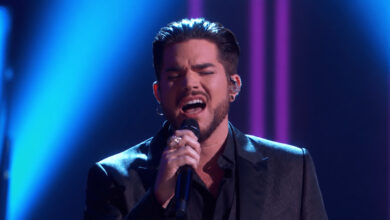
Barbara Mandrell’s “Sleeping Single In A Double Bed” Turned Heartbreak Into One Of Classic Country’s Smartest Breakthrough Hits
Barbara Mandrell had already spent years proving she could sing, play, and outwork almost anyone in country music by the time “Sleeping Single in a Double Bed” arrived in 1978, but this was the record that changed the temperature around her name. It did not simply become another hit in a steady career. It felt like a turning point, the kind of single that announces an artist has moved from respected contender to major force. What made that transformation so fascinating was that the song did not lean on grand melodrama or old-fashioned self-pity. Instead, it wrapped loneliness in a sharply rhythmic, instantly memorable groove. Mandrell sounded polished without being distant, glamorous without losing emotional credibility, and modern without severing herself from country tradition. That balance helped make the record feel fresh in its own time and still unusually lively decades later.
Part of the song’s lasting appeal comes from its brilliant contradiction. The title sounds almost playful at first, but the feeling underneath it is intimate, frustrated, and achingly human. The idea of lying alone in a bed built for two is simple enough to understand in one second, yet rich enough to hold an entire emotional landscape. Kye Fleming and Dennis Morgan wrote the song with exactly that kind of efficiency, finding a phrase that was conversational, vivid, and impossible to forget. Mandrell understood the assignment completely. She did not oversing the ache or flatten it into straight sadness. She gave it movement. She made it feel like the thoughts of a woman who is hurt, restless, wide awake, and still trying to keep herself together. That emotional mixture is one reason the record stands out from so many breakup songs that aim for tears first and personality second.
The production matters just as much as the lyric. A lesser singer might have turned “Sleeping Single in a Double Bed” into a slow lament, but the arrangement refuses to wallow. It has bounce, snap, and a confident rhythmic pulse that keeps the song from sinking under its own heartache. That tension between sorrow and swagger is where the magic lives. Mandrell always had a gift for bringing a little extra sophistication into commercial country, and this record uses that strength beautifully. The groove gives the song forward momentum, as if the narrator’s mind will not stop racing long enough to settle. Rather than sounding broken, she sounds active, alert, and emotionally cornered. That makes the song more relatable and more cinematic. It does not describe heartbreak as a frozen state. It describes it as a night that will not end, with every thought echoing louder because there is no one there.
What also made the song important in Barbara Mandrell’s career is that it landed at exactly the right moment. She had been building toward a breakthrough for years, working her way through country radio with skill and persistence, but this was the single that finally pushed her all the way to the top. It became her first number one country hit and opened the door to the run of major success that would define her late 1970s and early 1980s peak. That context gives the song extra electricity when heard now. It is not just a strong single from an established legend. It is the sound of a star crystallizing. You can hear the command in her phrasing, the total ease with the melody, and the assurance of someone who knows exactly where the beat sits. It feels like a record that knew it had arrived the moment the red light went on.
Mandrell’s performance is one of the finest examples of how to sing a commercially accessible country song without sacrificing character. Her voice is controlled, clean, and deeply expressive, but never showy for the sake of being showy. She shapes lines with a musician’s precision and a storyteller’s instinct. Every phrase sounds considered, yet nothing sounds stiff. That combination is harder to achieve than it looks. “Sleeping Single in a Double Bed” depends on personality. The song needs someone who can sell the title, ride the groove, and still make the emotional isolation land. Mandrell does all three. She gives the narrator dignity, intelligence, and a pulse. You believe this woman is replaying mistakes in real time, but you also believe she will survive them. That quiet resilience is part of what makes the performance feel so grown-up. It is not teenage heartbreak. It is adult loneliness delivered with style.
There is also something quietly revolutionary about how the record frames female vulnerability. In many older country songs, a woman left alone is either devastated in a highly theatrical way or turned into a moral lesson. Here, the perspective feels more interior, more contemporary, and more psychologically sharp. The woman at the center of the song is not reduced to a stereotype. She is self-aware, regretful, and emotionally articulate. She thinks about what she should have said, what she should have done, and how empty the room feels now. That kind of writing gave Mandrell excellent material, and she rose to it with a performance that never underestimates the narrator’s intelligence. It is a song about absence, but it does not feel passive. The mind is working all night long. That active emotional texture makes the record feel more modern than many of its era’s more obvious tearjerkers.
Live performances of the song reveal another reason it has endured: it plays beautifully in front of an audience. The studio cut is tight and efficient, but onstage the song becomes warmer, looser, and a little more mischievous. Mandrell had the rare ability to make polished television-era country still feel personal in the room. She could project confidence while keeping the lyric close enough to the body that it never became generic. When she performed “Sleeping Single in a Double Bed” live, audiences were not just hearing a hit. They were watching an entertainer who understood how to animate a song with facial expression, timing, and presence. The tune’s rhythmic structure gave her space to move, play with emphasis, and make familiar lines feel newly lived-in. That is why even grainier or fan-captured clips have charm. The song survives imperfect footage because the performance instincts are so strong.
Another thing that makes this particular song special is the way it sits at the intersection of classic country pain and late-1970s crossover sophistication. Mandrell was never boxed into one narrow idea of country femininity. She brought musicianship, glamour, instrumental skill, and television-ready charisma into the genre without losing its emotional core. “Sleeping Single in a Double Bed” captures all of that in miniature. It is concise, radio-friendly, and catchy enough to feel almost breezy, yet it carries the sting of a sleepless confession. That is a difficult blend to pull off. Plenty of songs are sad. Plenty of songs are catchy. Fewer manage to be both while also sounding this self-possessed. The result is a record that helped map out why Barbara Mandrell became such a commanding figure in country music: she could make adult emotion sound accessible, stylish, and impossible to turn away from.
In a live setting, the song’s emotional architecture becomes easier to appreciate because the contrast sharpens. You hear the bright arrangement, but you also feel the restless loneliness more vividly when a human voice is carrying it in front of people. That is where this performance tradition really shines. Mandrell’s gift was never just technical accuracy. It was proportion. She always seemed to know exactly how much emotion to pour into a line and exactly when to pull back. That discipline keeps “Sleeping Single in a Double Bed” from tipping into camp, even though the title is so memorable and the hook so immediate. A live performance makes the listener notice how cleverly the song is built: every melodic turn reinforces the emotional tension, every rhythmic accent pushes the thought forward, and every repeated phrase lands with a little more ache than before.
Listening to the original version after hearing a live take is a reminder of how efficient hitmaking could be when everyone involved understood their roles perfectly. The studio recording wastes nothing. It gets in, sketches the emotional conflict with startling clarity, and leaves before the feeling can become overexplained. That brevity is one of the song’s hidden strengths. It mirrors the obsessive loop of late-night regret, where the same thought comes around again and again in slightly different emotional colors. Mandrell’s voice carries enough nuance to keep that repetition from ever feeling repetitive. The record also reflects the late-1970s moment when country production could borrow sheen and polish without abandoning direct storytelling. That helped the track appeal beyond strict traditionalists while still satisfying listeners who wanted songs rooted in lived experience, not just surface gloss.
The Roy Acuff Theater performance offers a fascinating comparison because it shows how well the song adapts to a more explicitly stage-centered country environment. The lyric does not change, but the room changes the emotional temperature. The theater setting gives the performance a slightly more communal feel, which is ironic and effective for a song about aloneness. Instead of becoming less intimate, it becomes more revealing. The audience’s presence underlines just how universal the song’s central situation is. Mandrell’s phrasing in live renditions often carries a little more conversational ease, and that can make the heartbreak feel even closer. Rather than presenting a polished studio character, she sounds like someone telling the truth with a band behind her. That is one reason the song held its place in her catalog: it was flexible enough to thrive both as a radio single and as a live showcase.
A useful mood comparison comes from other great country performances that turn personal crisis into elegant, memorable drama. Songs in this lane often succeed when the singer resists the temptation to oversell the hurt. They let the lyric breathe, trust the details, and allow the arrangement to do part of the emotional work. That is exactly why “Sleeping Single in a Double Bed” remains so strong in comparison. It does not beg for sympathy. It simply states the condition and lets the title do its damage. When placed beside other classic performances about loneliness, separation, and emotional second-guessing, Mandrell’s recording sounds especially nimble. There is pain in it, but there is also poise. The listener gets heartbreak with rhythm, regret with confidence, and vulnerability with unmistakable star power. That combination is rarer than it sounds, even in country music’s golden eras.
What separates Mandrell from many singers who recorded similarly themed material is her instinct for motion. Even in songs of disappointment, she rarely sounds defeated. There is always some current of determination moving through the performance, some sense that the narrator is thinking, assessing, refusing to disappear into the sadness. “Sleeping Single in a Double Bed” is a perfect example of that instinct at work. The record invites sympathy, but it also commands attention. It is vulnerable without becoming fragile. That distinction gave Barbara Mandrell a unique lane. She could sing about emotional upheaval while projecting strength, polish, and self-command. In practical terms, that made her records feel excellent on the radio. In artistic terms, it gave songs like this one a longer life, because they continue to sound emotionally intelligent rather than merely fashionable or melodramatic.
By the time the song had finished its chart run and helped anchor the album Moods, it had done more than deliver a hit. It had reframed Barbara Mandrell as one of the defining country voices of her era, capable of combining mainstream appeal with a sophisticated emotional touch. That matters because careers are often remembered through turning-point singles, and this one genuinely deserves that status. It is catchy enough to be instantly accessible, clever enough to reward repeat listens, and emotionally vivid enough to remain meaningful long after the trends around it changed. Even now, the title alone still has a sting to it. That is the mark of a great country hook. It enters quickly, settles deep, and keeps echoing. Mandrell did not merely sing a smart song. She gave it shape, confidence, and a kind of elegant loneliness that still feels alive.