We’ll Never Have to Say Goodbye Again: England Dan & John Ford Coley’s Timeless Soft-Rock Promise
The magic of We’ll Never Have to Say Goodbye Again sits in that rare sweet spot where a soft-rock ballad feels both intimate and arena-sized at the same time. England Dan & John Ford Coley delivered a song that sounds like it’s being whispered across a kitchen table, yet it carries the kind of chorus that can fill a room with shared memory. It’s a record built on tenderness without being fragile, on reassurance without being cheesy, and that balance is exactly why it still lands decades later. People don’t just remember it as “a hit.” They remember it as a feeling: that suspended moment when you want time to slow down because what you have right now is too good to end.
Part of the song’s lasting pull is how it captures the emotional math of goodbye without turning it into tragedy. The title is a promise, but the verses know the fear that sits underneath any promise like that: the fear of distance, the fear of time, the fear of the door closing when you didn’t get enough seconds in the room. The performance lives in that tension. You can hear two voices built for comfort—warm, controlled, and unforced—moving through a melody that never needs acrobatics to hit hard. The restraint is the point. It’s slow enough to breathe, direct enough to believe, and smooth enough to feel inevitable.
The duo’s signature sound helps the song glide instead of drag. Their blend is clean and conversational, the kind of harmony that doesn’t scream “Look at us harmonize,” but quietly locks the emotional message into place. There’s also a gentle country tint in the phrasing that keeps it grounded—like this could’ve been a front-porch confession if you stripped away the studio polish. The arrangement is classic late-’70s soft rock: supportive keys, careful guitar lines, and a rhythm section that never competes with the vocal. Everything exists to serve the same mission: let the lyric land, then let it linger.
What also makes this track stand out in the era’s crowded ballad lane is how confidently simple it is. There’s no narrative twist, no melodramatic plot, no big theatrical climax. Instead, it’s built like a vow: repeat it until it becomes real. That repetition is why the hook sticks in your head, but it’s also why it hits emotionally. The chorus isn’t just catchy—it’s comforting. In a decade that produced plenty of dramatic breakup songs, this one chose devotion and steadiness, and that choice gives it a timelessness that plays well in any era where people feel pulled in too many directions.
The story of how the song found its biggest audience is another reason it’s still discussed by music heads. It didn’t begin as a blockbuster attached to a massive machine; it arrived through the strange, very human routes that many great songs travel—writers, early versions, covers, and then finally the definitive hit interpretation. England Dan & John Ford Coley didn’t simply “cover” it the way some artists do, like they’re borrowing a tune for a season. They framed it as if it had always belonged in their catalog. The performance feels lived-in, like they’re remembering something while they sing it, not just delivering notes.
Even the chart story fits the song’s personality. This wasn’t just a pop success; it was the kind of record that dominated the Adult Contemporary lane because that lane is where heartfelt clarity wins. The track became a quiet monster on easy listening radio—exactly where a song like this can become part of people’s routines. It’s the kind of single that plays in cars, in living rooms, in late-night diners, and eventually in the “memory soundtrack” of anyone who came of age with the radio on. That’s how ballads become permanent: not by being the loudest thing on the chart, but by becoming the most reusable emotion.
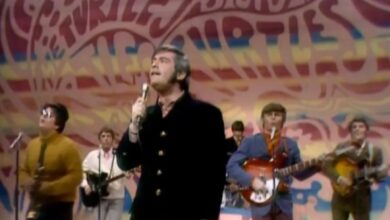
Live, the song takes on an even more personal character. The best performances don’t try to “upgrade” it with drama; they let the melody do its work and trust the audience to meet them halfway. That trust matters, because this is a song that depends on sincerity. When a vocalist over-sings it, it collapses into sentimentality. When a vocalist under-sings it, it fades into wallpaper. The sweet spot is a calm, steady delivery that feels like a promise you’d actually make to someone. In the most effective live renditions, you can sense the crowd listening differently—less like fans chasing a chorus and more like people holding onto a shared thought.
That’s why fan-shot footage of this song can be so revealing. Without studio gloss or heavy editing, you notice what the composition is really built on: phrasing, breath control, and the emotional intelligence to keep the song honest. You also hear how audiences react to it—not with chaotic screaming, but with that softer kind of recognition that says, “I know this one because it lived in my life.” A ballad’s true power shows up in those moments, when it turns a venue into something smaller and warmer, like a room where everyone suddenly remembers who they used to be.
In a live setting, the heart of the track becomes the pacing. The song isn’t trying to surprise you; it’s trying to settle you. The best part of watching it performed is seeing how the vocalist rides the spaces between lines, letting the phrases taper naturally instead of pushing for a big “moment.” That’s what makes the chorus feel like relief rather than a punchline. It also highlights how carefully the melody was written: it sits comfortably in a range that allows warmth and control, so the singer can focus on meaning instead of survival. When the performance is right, the song feels less like nostalgia and more like something happening now.
Hearing the original hit recording again reminds you why late-’70s soft rock, at its best, has never really gone out of style. The production is polished without being sterile, romantic without being syrupy, and the vocal blend has that particular clarity that radio loved in the era. There’s a confidence to the way the track moves, like it knows it doesn’t need tricks to last. The chorus arrives with a calm inevitability, and the instrumentation stays supportive rather than flashy. It’s a masterclass in letting a simple idea carry the entire record: if the feeling is true, you don’t need to decorate it into something louder.
If you want a perfect companion piece to understand this song’s emotional neighborhood, Kansas’ Dust in the Wind is a great comparison because it’s built on the same kind of clarity—plainspoken lyrics, a melody that feels familiar in the first minute, and an atmosphere that invites reflection. The difference is the emotional direction: Dust in the Wind looks at time like something you can’t hold, while We’ll Never Have to Say Goodbye Again pushes back against time with a promise. Put them side by side and you can hear two classic late-’70s moods: acceptance versus defiance, resignation versus devotion. Both work because neither tries to pretend life is simple.
Ambrosia’s How Much I Feel is another strong comparison, because it sits in that same soft-rock lane where emotional precision matters more than vocal gymnastics. It’s a song that feels like it’s confessing something complicated—regret, longing, self-awareness—and it uses smoothness as a delivery vehicle for truth rather than as a disguise. That’s the key similarity: the softness isn’t weakness, it’s control. Where Ambrosia leans into bruised honesty, England Dan & John Ford Coley lean into reassurance. One is the ache after the argument, the other is the hand reaching across the table to make things steady again. Together, they explain why that era still resonates.
David Gates’ Goodbye Girl fits the conversation beautifully because it shares that same elegant, radio-friendly craftsmanship—music that sounds effortless while doing meticulous emotional work underneath. Gates wrote ballads that knew how to be cinematic without losing intimacy, and you can hear how that approach overlaps with We’ll Never Have to Say Goodbye Again: a gentle groove, a melody that favors sincerity, and lyrics that speak in direct sentences instead of metaphors stacked on metaphors. The difference is the emotional frame. Goodbye Girl has the ache of departure built into its bones, while We’ll Never Have to Say Goodbye Again is the fantasy of preventing that departure. The contrast makes both songs feel sharper.
To widen the lens a little, Love Is the Answer connects because it shows how this duo could turn reflective songwriting into something that feels communal, almost like a gentle singalong for adults who’ve been through enough to appreciate softness. It also highlights what England Dan & John Ford Coley were especially good at: turning complicated emotional weather into a smooth, inviting sound that people wanted to live inside. That’s the same reason We’ll Never Have to Say Goodbye Again has endured. It doesn’t demand attention with volume; it earns attention with comfort. And in the long arc of pop music, comfort is often the most durable kind of power—because people come back to it when they need it most.